Understanding Ancient Rock Art Across Somaliland
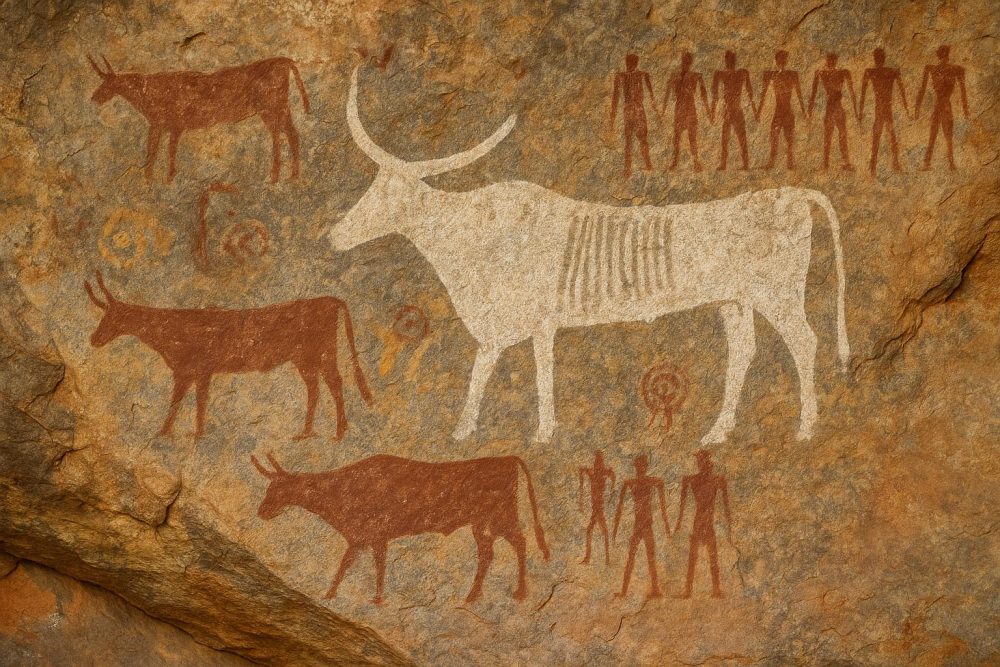
The rock art of Somaliland stands as a testament to the rich tapestry of human history in the eastern Horn of Africa. These remarkable pieces of art date back thousands of years and serve as a window into the lives of the regions’ prehistoric peoples. Through detailed paintings of animals, humans, and geometric shapes, the rock art offers valuable insights into the cultural, spiritual, and possibly religious practices of ancient communities.
Historical Significance
The historical importance of Somaliland’s rock art cannot be overstated. Boasting some of the oldest known examples of human artistic expression, these sites help us piece together the past. As some of these artworks are believed to date back over 5,000 years, they represent one of the earliest forms of communication and storytelling. The figures of animals, humans, and abstract shapes are more than mere decorative pieces; they are vital communications, possibly serving as a means to convey beliefs, social norms, and even political structures of past eras.
Main Sites of Interest
Laas Geel
One of the central jewels in the crown of Somaliland’s rock art is Laas Geel. Situated near the capital, Hargeisa, it was only discovered in 2002, yet quickly garnered attention due to the exquisite preservation of its paintings. Laas Geel presents a series of rock shelters, each adorned with images that reflect the ingenuity and skill of early pastoral communities. This site is distinguished by its vivid depictions of cows, some draped in ceremonious robes, suggesting the importance of cattle in the social and economic lives of the people who created these remarkable pieces.
Dhambalin
Another pivotal site is Dhambalin. Unlike Laas Geel, which is famed for its pastoral art, Dhambalin offers a slightly different focus. Its murals prominently feature domesticated animals and human figures, captured with notable detail and vibrancy. These artworks not only provide anthropologists and historians with vital clues about the domestication and agricultural practices of ancient communities, but they also offer a glimpse into the migration patterns and socio-cultural evolution over millennia.
Preservation Efforts
Despite the profound historical and cultural value of these sites, Somaliland’s rock art faces significant threats. Environmental factors such as erosion and climate change, coupled with challenges posed by human activity, endanger these invaluable artworks. However, recognizing their importance, there have been concerted efforts to safeguard these treasures. The Somaliland government, alongside international organizations and local groups, is spearheading initiatives to protect this heritage.
Preservation efforts are multi-faceted, encompassing detailed documentation of the sites, efforts to increase public awareness about their significance, and developing strategies to prevent further deterioration. Controlling access to the most sensitive areas is one measure under consideration, as is implementing educational campaigns to foster appreciation and care for these historic sites.
Conclusion
The ancient rock art of Somaliland is a crucial component of the region’s cultural heritage. These artworks offer contemporary scholars and enthusiasts a chance to connect with early human societies in the Horn of Africa, shedding light on the complexities of their lives, cultures, and worldviews. Continued efforts to study, document, and preserve these sites are imperative. Doing so ensures that these valuable artifacts continue to inspire and inform generations to come.
For those interested in further exploring this aspect of cultural heritage in Africa, a deep dive into scholarly articles and academic writings from reliable, expert sources is recommended. By advancing our understanding of such heritage sites, we can foster a greater appreciation for the rich, diverse history and cultural legacy that they represent.