Introduction
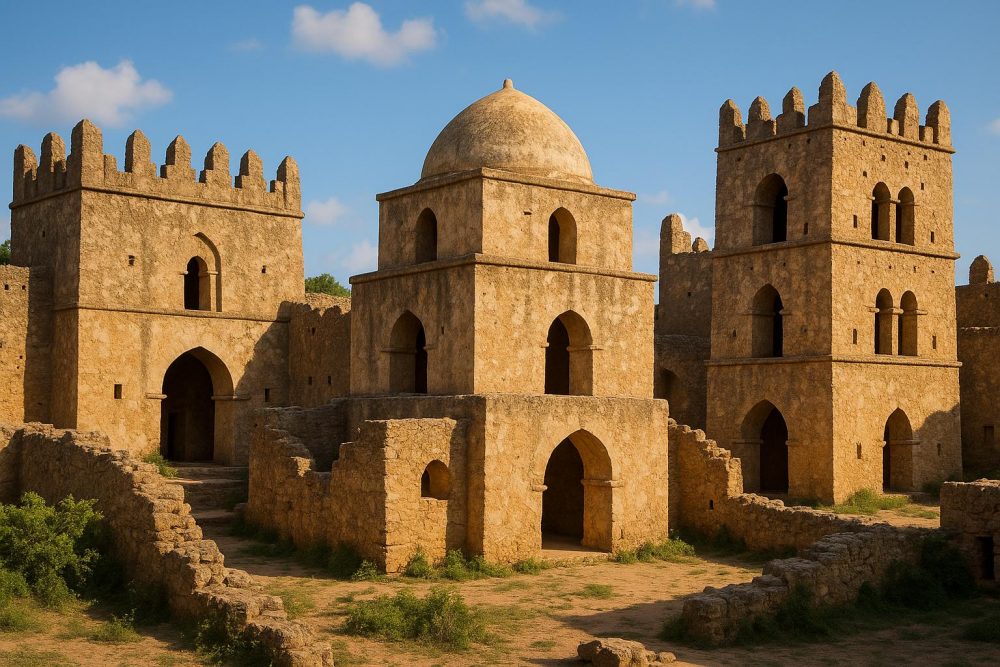
The architectural landscape of Somalia serves as a vivid chronicle of its rich and diverse cultural history. Situated in the Horn of Africa, Somalia’s architecture tells the story of a region at the crossroads of various civilizations and cultures over millennia. The remnants of ancient buildings are more than just structures; they are narratives frozen in time, representing the social, religious, and economic evolution of Somali society.
Influences on Somali Architecture
Cultural Confluences
The architecture of ancient Somalia is a product of the geographical and historical convergences that define the region. Situated strategically along vital maritime routes, Somalia became an essential node for trade and cultural exchange. This prominent position facilitated interactions with numerous external cultures—most notably Arabian, Persian, Indian, and later European—that left a lasting imprint on local architecture. Through these interactions, Somali builders assimilated foreign techniques and aesthetics, which they blended with traditional forms to create a unique architectural style.
Pre-Islamic and Islamic Periods
Pre-Islamic Architecture
Prior to the introduction of Islam, Somali architecture was prominently characterized by native African architectural elements. Structures from this era primarily consisted of defensive fortifications and religious buildings. These edifices were marked by their pragmatic designs, focusing on fortification and community functionality. The materials and techniques used reflected locally available resources and the indigenous peoples’ skills in construction.
Islamic Architectural Transition
The advent of Islam in the 7th century CE marked a pivotal shift in Somali architectural practices. Islamic architecture introduced new structural principles and motifs, such as domes, arches, and minarets, inspired by Islamic spirituality and aesthetics. This period saw the transformation of building styles, as mosques and other religious and public buildings began to incorporate these Islamic elements. This integration was not merely aesthetic but symbolic, aligning the region’s spiritual and social life with the broader Islamic world.
Notable Architectural Features
Prominent Cities and Materials
The cities of Mogadishu and Zeila stand out as paragons of historical Somali architecture. These coastal cities were vital centers for trade, where the convergence of different cultures was most pronounced. The architectural hallmark of these cities lies in their use of coral stone and lime mortar—materials chosen for their durability and local availability. The methodical use of these materials not only provided structural stability but also contributed to the unique aesthetic that defined the urban landscapes of these ancient metropolises.
Stone Towns
Beyond the bustling coastal cities, the stone towns of Gondershe and Harar offer a glimpse into the intricate residential and public life of ancient Somali societies. These towns, built using locally sourced stone, exhibit a stark solidity and resilience. Their layout and construction reflect an advanced understanding of urban planning, with complex integration of residential, commercial, and public spaces. Each stone town is a microcosm of the sociopolitical dynamics of its time, characterized by impressive craft and architectural ingenuity.
Towers and Forts
Defense was a crucial aspect of city planning in ancient Somalia, as evidenced by the numerous towers and forts that dot the landscape. These structures were not only military installations but symbols of power and authority, safeguarding valuable trade routes and settlements. The architectural designs of these defensive buildings demonstrate a deep understanding of strategic fortification, adeptly balancing form and function to meet the exigencies of protection and control.
The Importance of Preservation
Preserving the rich architectural heritage of Somalia is vital for several reasons. Cultural preservation serves as a bridge between the past and the present, providing continuity and a sense of identity for modern Somalis. Safeguarding these sites also offers a potential boon to tourism—an opportunity to share the country’s rich history with international visitors, fostering greater understanding and appreciation.
Conservation efforts are essential to protect these sites from both natural degradation and human destruction. Initiatives promoting academic study and public awareness can spur conservation efforts, ensuring these historical treasures endure. Additionally, these architectural works serve as educational resources, offering insights into ancient trade networks, societal organization, and cultural exchanges that shaped the region’s history.
Modern Implications and Inspirations
The influence of ancient architectural principles extends into contemporary Somali architecture. Modern designs often draw from traditional motifs and construction methods, blending them with modern materials and technology to meet current needs. This fusion creates spaces that are at once respectful of their historical roots and forward-looking in functionality and design.
Conclusion
The ancient architecture of Somalia is more than a mere collection of old buildings; it is an integral component of the country’s cultural fabric. By embracing preservation and fostering a deeper understanding through both academic and public engagement, Somalia can continue to honor its architectural legacy. In doing so, this heritage will not only inform but inspire future generations. To delve deeper into the architectural wonders of Somalia, various academic publications and cultural organizations provide resources and continued research dedicated to this important aspect of Somali history.