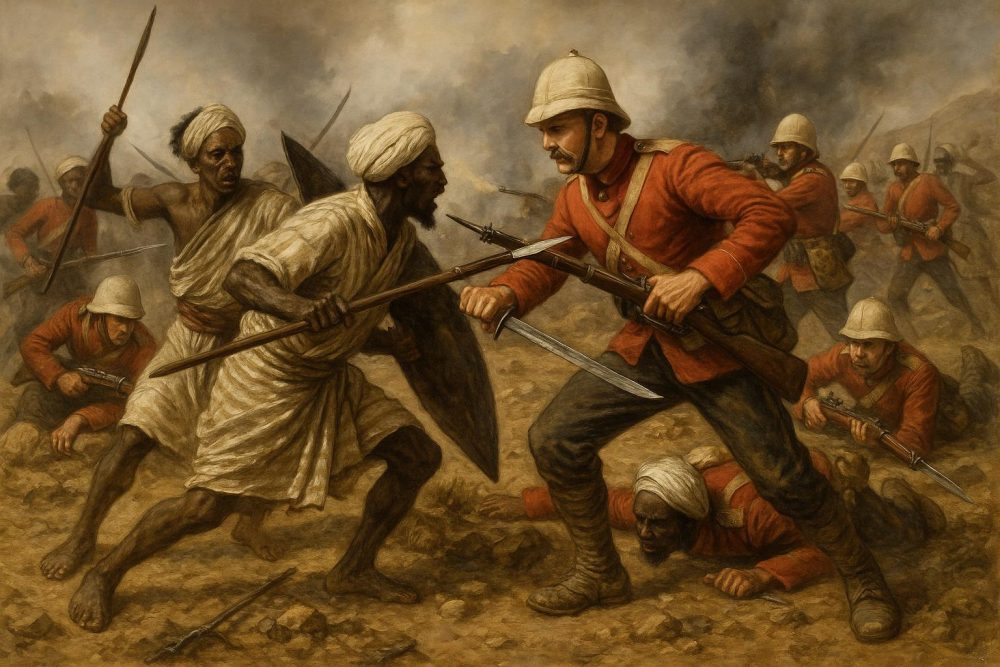
Introduction to the Anglo-Somali Conflicts
The Anglo-Somali conflicts were a series of significant confrontations between the British Empire and Somali forces, unfolding primarily in the late 19th and early 20th centuries. These conflicts were largely motivated by colonial ambitions, local resistance, and the complex geopolitical dynamics of the Horn of Africa. The interactions between British colonial authorities and Somali leaders were multifaceted and involved intricate negotiations, intense warfare, and strategic regional power plays.
Historical Context
The origins of the Anglo-Somali conflicts can be traced back to the ‘Scramble for Africa’, a period characterized by European powers aggressively vying for control over African territories. Among these, Somalia held a strategic position along the Indian Ocean coast and at the entrance to the Red Sea, making it a valuable asset for British colonial interests. As a result, various treaties and military expeditions were carried out by the British, who sought to protect their merchant routes and assert dominance over the region.
Imperial Interests of the British Empire
The British empire’s principal focus was on ensuring the security of its trade routes, especially following the opening of the Suez Canal in 1869, which created a crucial maritime shortcut to Asia and Eastern Africa. In pursuit of this objective, British Somaliland was established in the late 1880s, after the British negotiated treaties with local Somali chiefs. This was part of a broader strategy to ensure regional stability and safeguard naval interests by controlling key Somali territories.
Persistent Somali Resistance
Resistance to British colonial rule in Somalia was both persistent and effectively organized. Prominent among the resistance leaders was Sayyid Mohammed Abdullah Hassan, whom the British pejoratively referred to as the “Mad Mullah”. Hassan’s movement, known as the Dervish State, actively opposed colonial forces from 1899 to 1920. This resistance was driven by a mix of religious fervor, strong anti-colonial sentiment, and the aspiration to unite various Somali clans under a single leadership banner.
Military Strategies and Tactics
The Anglo-Somali conflicts were marked by varied military tactics and strategies. Somali forces, although technologically less equipped, utilized guerrilla warfare effectively. Their deep understanding of the local geography allowed them to strategically leverage terrains against the British forces, inflicting significant setbacks on several occasions.
Conversely, the British employed modern weaponry and reinforcements sourced from their colonies and protectorates. Furthermore, they engaged in strategic negotiations with different Somali clans, attempting to isolate Hassan’s movement by utilizing a combination of diplomacy and force. This multifaceted approach was intended to break the resistance and consolidate British power in the region effectively.
Long-term Consequences and Aftermath
The consequences of the Anglo-Somali conflicts were profound and resulted in notable disruptions across the region. Despite the eventual British success in undermining the Dervish State by 1920, the conflicts’ impacts were long-lasting. They not only reshaped the socio-political landscape of Somalia but also established a complex foundation for future interactions between Somali leaders and colonial powers.
These historical conflicts left an indelible mark on Somalia’s path toward modern statehood and independence. Understanding this period provides valuable insights into the dynamic interplay of colonial powers and local resistance movements in Africa. Those interested in exploring this topic further might consult reputable historical sources or scholarly publications to gain a deeper and more comprehensive understanding of the events and their implications.
The Anglo-Somali conflicts serve as a reminder of the intricate dynamics that often underpin colonial expansion and resistance. These interactions continue to influence regional politics and the legacy of colonialism in contemporary times. By delving into the deeper intricacies of these past events, one can appreciate the nuanced historical narratives and their relevance to ongoing discussions about sovereignty, identity, and colonial legacies in the Horn of Africa.