Understanding Anti-Colonial Uprisings
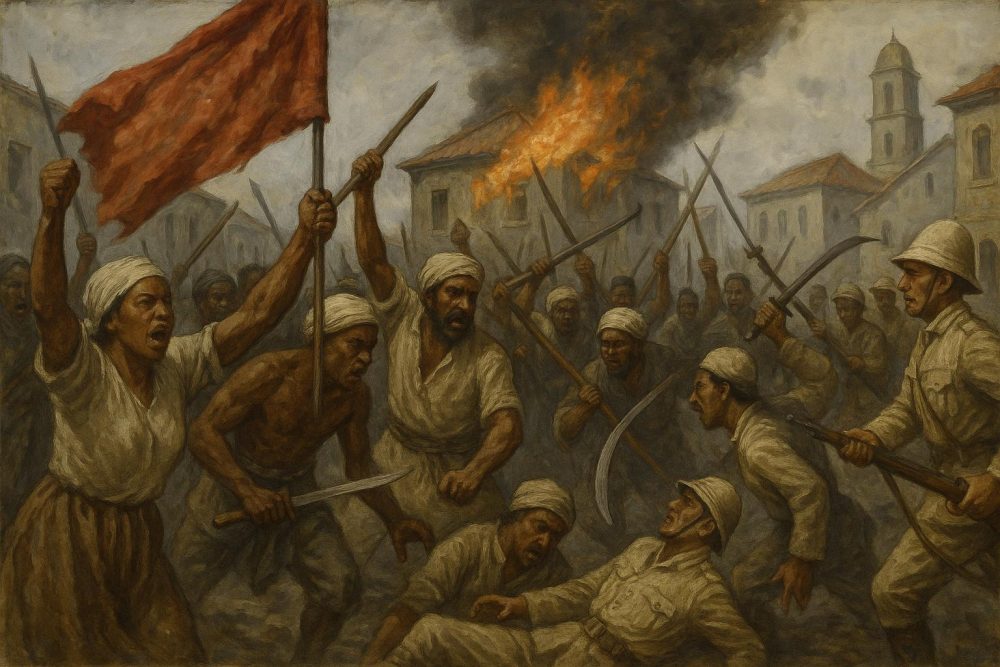
Anti-colonial uprisings signify a critical aspect of world history, illustrating the struggle for independence and sovereignty by oppressed populations. These movements were responses to the control and exploitation exerted by colonial powers across the globe. Throughout history, individuals and communities have rallied against foreign rulers to reclaim their autonomy, culture, and economic resources.
Historical Context
The age of European colonialism saw great expanses of Asia, Africa, the Americas, and the Pacific subjected to overseas rule. Colonial regimes often prioritized imperial interests over local well-being, leading to widespread dispossession and discontent. This discontent was fertile ground for organized resistance. For instance, India’s First War of Independence in 1857 was a bold assertion against British command. The uprising was primarily driven by grievances among Indian soldiers, known as sepoys, who were affronted by policies undermining their religious and social practices. The resonance of this rebellion also drew support from various sectors of Indian society who suffered injustices under British economic and legal systems.
Key Figures and Leaders
Leadership was a crucial element in the success and spread of anti-colonial movements. Charismatic figures such as Mahatma Gandhi in India are renowned for their vision and strategic prowess. Gandhi’s involvement in the struggle for Indian independence was characterized by his commitment to nonviolence, a principle he termed Satyagraha, which translates to “truth force” or “soul force.” His civil disobedience campaigns, including the Salt March, highlighted the power of peaceful protest in challenging colonial authority.
In Africa, Kwame Nkrumah emerged as a central figure in Ghana’s independence from British colonial rule. His leadership symbolized a broader Pan-African call for self-governance and unity among African nations. Similarly, in Asia, Ho Chi Minh’s revolutionary activities were vital for Vietnam’s resistance against French colonialism and later American intervention. He synthesized communist ideology with nationalist fervor, crafting a vision for an independent Vietnam that galvanized popular support.
Methods of Resistance
The methods deployed in fighting colonial rule were as diverse as the people engaging in the struggle. Protest and rebellion took many forms – from organized, mass demonstrations to covert, armed resistance. In numerous instances, diplomacy also played a role, with negotiations seeking to peacefully transition power and establish sovereignty.
One pertinent example of independence achieved through a mix of advocacy and strife is the Congo Crisis. This intense period between 1960 and 1965 signaled Congo’s tumultuous path to freedom amid Cold War dynamics. The crisis reflected the inherent challenges post-colonial states faced in defining nationhood and governance, compounded by international interventions motivated by geopolitical strategies.
Regional Variations in Resistance
The specificity of local conditions influenced the character and outcomes of anti-colonial struggle. In the Middle East, for example, the disintegration of the Ottoman Empire at the end of World War I created a vacuum filled by European powers under the guise of mandates, sparking nationalist movements across the region. In Algeria, the National Liberation Front (FLN) led a brutal fight for independence from France, which inspired global solidarity and support.
Similarly, in the Caribbean, resistance took on unique forms. Figures like Marcus Garvey and organizations such as the Rastafari movement emphasized the reclamation of African heritage and identity as instruments of resistance. Their efforts not only opposed colonial dominance but also laid cultural foundations that continue to influence identity and politics in the region today.
Legacy and Impact
The ramifications of anti-colonial uprisings are enduring and multifaceted. Decolonization, an outcome galvanized by these movements, redefined the global political landscape in the 20th century. Where once stood empires now reside independent nations, each grappling with its colonial past and constructing its future.
For many countries, independence did not immediately translate into stability or prosperity. The challenges of nation-building, identity formation, and economic development are legacies of the colonial period, complicating post-independence trajectories. While formal colonial rule has ended, neo-colonialism and economic dependency raise questions about true sovereignty.
Moreover, the ideals of freedom and self-determination that fueled anti-colonial struggles continue to resonate. In a world facing issues of global inequality and neocolonial tendencies, the principles of past uprisings inspire contemporary movements advocating for justice, equity, and peace.
Modern Resonance of Anti-Colonial Ideals
Today, the principles inherent in anti-colonial uprisings—such as resistance to oppression, the pursuit of economic justice, and cultural preservation—permeate various global forums and movements. In the realm of international relations, former colonies have become active participants, sometimes leading dialogues on sustainable development, climate change, and human rights.
Culturally, reclaiming narratives and affirming identities form a significant part of the legacy. In literature, art, and education, voices from previously colonized regions demand recognition and representation, often rewriting historical narratives to include indigenous perspectives and knowledge systems silenced by colonial narratives.
To sum up, anti-colonial uprisings were not merely reactions to colonial pressures but were inherently forward-looking events that shaped the trajectories of nations and communities. The memory and influence of these uprisings fuel the continuous global quest for justice, providing lessons and inspirations for current and future generations in the perpetual movement towards a more equitable world.