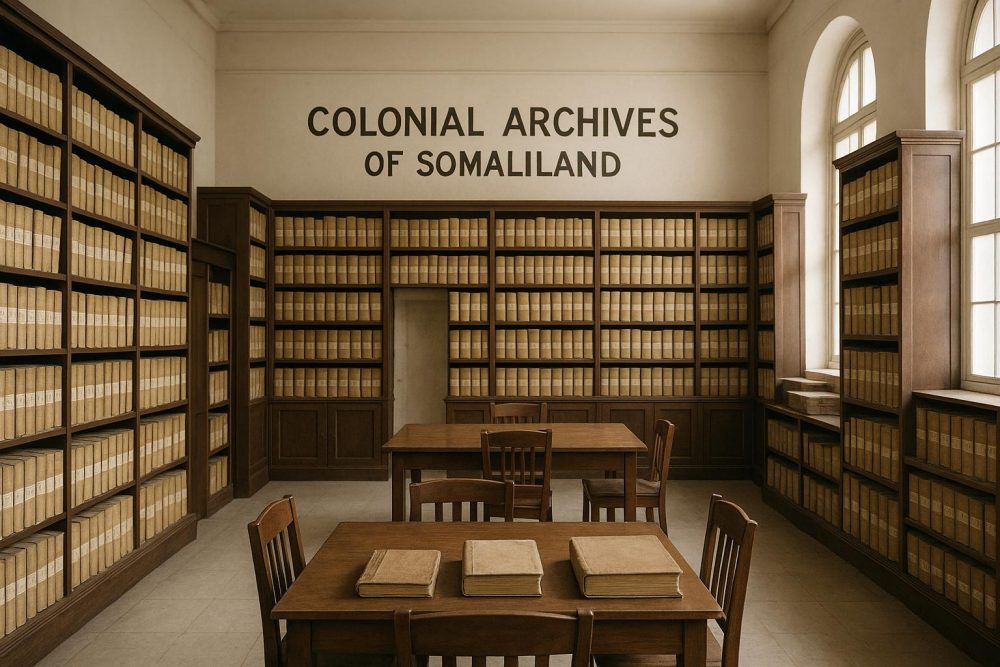
Overview of Colonial Archives in Somaliland
The colonial archives of Somaliland offer a robust repository of historical records that provide insights into the region’s past under colonial administration. These archives are invaluable resources for researchers, historians, and those interested in understanding the historical developments and administrative practices during the colonial period.
The Establishment of Colonial Rule
Somaliland, located in the Horn of Africa, became a British protectorate in the late 19th century. This period marked a significant shift in the region’s history, influencing its political, social, and economic landscape. The establishment of colonial rule initiated the systematic creation of numerous documents, administrative records, and correspondences, now housed in various archives. These documents serve as primary sources reflecting the governance, economic policies, and social conditions of the time. They include treaties, maps, administrative reports, and communications between colonial authorities. The arrival and administration of the British brought about both structural and cultural changes, evident in the records preserved from this era.
Types of Records Found
The colonial archives encompass a variety of documents reflective of the complex nature of colonial governance. Among these are:
Treaties and Agreements: The records of treaties and agreements illustrate the diplomatic engagements between the British colonial powers and the leaders of Somaliland. These agreements often involved negotiations over resources, territorial boundaries, and mutual defense arrangements. Such documents are essential for understanding the geopolitical strategies employed by colonial powers and their long-term impacts on Somaliland’s sovereignty and territorial integrity.
Administrative Reports: These detailed records offer insights into the governance structures, economic circumstances, and social issues that characterized the protectorate. Administrative reports often included assessments of local conditions, recommendations for policy changes, and reflections on the administration’s effectiveness. They also shed light on the colonial authorities’ attempts to integrate Somaliland into the broader imperial framework, including economic exploitation and infrastructure development.
Legal Documents: Legal documents, such as court records, highlight the judicial aspects of colonial administration. They reveal how colonial laws were applied, the nature of legal disputes, and the interaction between customary law and colonial legal systems. These records provide crucial insights into how legal structures were used to enforce colonial rule, maintain social order, and settle disputes.
Correspondence: Letters and telegrams exchanged between colonial officials and London reflect the communication dynamics within the colonial administration. Such correspondence often involved discussions on policy decisions, resource allocation, administrative challenges, and emerging local issues. These documents offer a window into the decision-making processes of colonial governance and the influence of metropolitan policies on colonial affairs.
Accessing the Archives
Exploring the colonial archives of Somaliland offers an opportunity to delve deeply into the historical fabric of the region. Researchers and historians interested in these archives can locate them in several places. The British National Archives in London holds extensive collections of colonial records, including those related specifically to Somaliland. This institution serves as a crucial hub for historical research, providing access to a vast array of documents that are critical for reconstructing Somaliland’s colonial past.
Additionally, the Somaliland National Library and other regional archives may house specific collections and documents pertinent to local history. These regional collections are particularly valuable for understanding the nuanced local perspectives that might be underrepresented in broader colonial records. Access to these archives often requires adhering to specific protocols and, in some cases, obtaining permission from the relevant authorities.
For further research opportunities, consider visiting The National Archives of the UK, which offers both physical and digital access to a comprehensive set of records, facilitating in-depth research from anywhere in the world.
Relevance of the Archives Today
The colonial archives of Somaliland are not merely relics of the past but are instrumental in informing current discussions on governance, development, and identity in the region. Understanding the historical context they provide is crucial for comprehending the region’s contemporary political and social landscape. These archives serve as critical resources for examining the legacy of colonialism and how it continues to influence the political and social structures of modern-day Somaliland.
Today, the preserved records from the colonial era are pivotal in tracing the evolution of governance systems, development policies, and identity formation in Somaliland. They enable scholars, policymakers, and citizens to engage with the past critically, fostering a nuanced understanding of the complex interactions between colonial powers and local societies.
The archives also contribute to broader efforts in historical justice and reconciliation, as they provide documentation of past injustices, social dynamics, and cultural interactions. By studying these archives, researchers can uncover the lasting impacts of colonialism, offering informed perspectives that can help shape future governance strategies and development goals.
Furthermore, the analysis of these archival collections helps illuminate the resilience and agency of local communities during colonial times. It allows for an appreciation of how local populations navigated, resisted, and adapted to colonial rule, providing important lessons for present-day governance and policy-making.
In sum, the colonial archives of Somaliland are a vital intellectual resource for both historical inquiry and contemporary relevance, offering an indispensable foundation for understanding the enduring legacy of colonialism in the Horn of Africa. The continued study and preservation of these archives are essential for fostering a comprehensive and informed dialogue on the region’s past, present, and future.