The Historical Context of Somaliland’s Quest for Independence
The pursuit of independence for Somaliland is a significant chapter in the broader narrative of African decolonization. Positioned strategically in the Horn of Africa, Somaliland was a British protectorate until June 26, 1960, when it gained independence. However, this newfound freedom was short-lived, as just five days later, Somaliland voluntarily merged with the former Italian colony of Somalia, forming the Somali Republic. This initial union was seen as a step towards the Pan-Somali vision, aiming to unite all Somali-speaking regions, yet it quickly revealed stark tensions and disparities.
The Drivers of Somaliland’s Independence Movement
The union with Somalia presented numerous challenges and quickly soured due to political and economic disparities, leading to rising discontent in the northern territories. Residents of Somaliland felt marginalized in terms of political representation and resource allocation. This perceived marginalization fueled an independence movement rooted in the desire for self-determination, security, and political autonomy.
The political structure under the Somali Republic was marred by dissatisfaction from the outset. The distribution of resources and power was perceived as biased towards the south, instigating a sense of neglect and inequity in the northern regions. This feeling of disenfranchisement was heightened by differing colonial legacies, with Somaliland’s British colonial experience sharply contrasting with southern Somalia’s Italian colonial past.
Key Figures of the Independence Movement
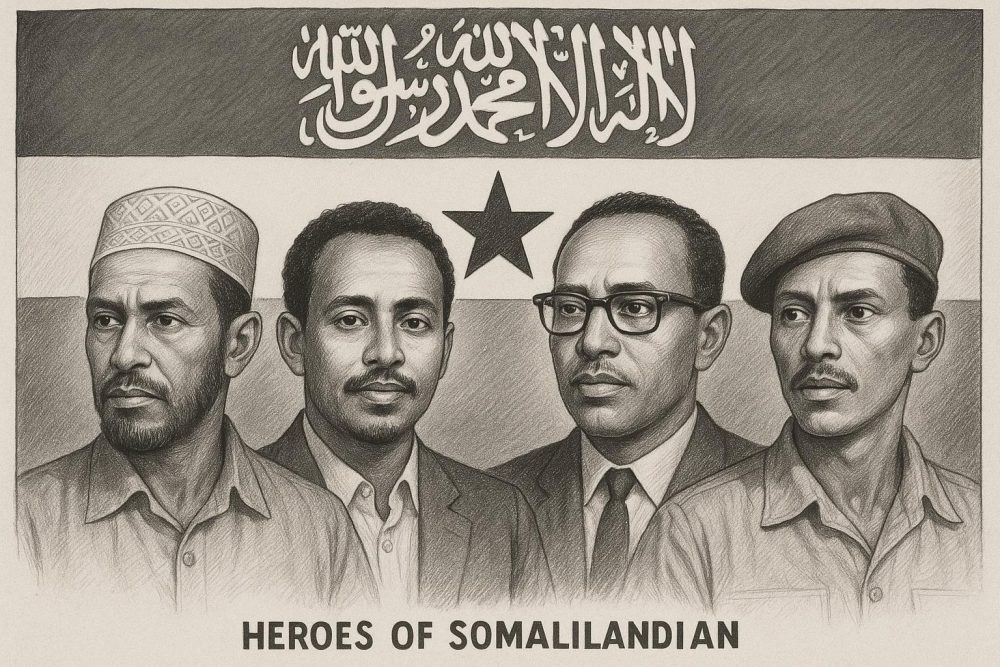
The struggle for Somaliland’s independence was championed by several pivotal figures who played vital roles in rallying support both domestically and internationally. These individuals were instrumental in mobilizing the public and articulating the vision for an independent Somaliland.
Mohammed Haji Ibrahim Egal was a central figure in modern Somaliland’s history. As the Prime Minister of the short-lived independent State of Somaliland, Egal later emerged as a prominent leader in the Somali Republic. His leadership spanned decades, and he was instrumental in pushing for the reassertion of Somaliland’s independence after the collapse of the Somali central government in 1991. Egal deftly navigated the treacherous political landscape, advocating for dialogue and reconciliation while also emphasizing the distinct identity and governance aspirations of Somaliland.
Another noteworthy individual is Abdirahman Ahmed Ali Tuur, who became the first President of Somaliland following its unilateral declaration of independence from Somalia in 1991. His stewardship marked a significant turning point in asserting Somaliland’s autonomy and establishing stable governance structures. Tuur was pivotal in the early consolidation of Somaliland’s governance, advocating for a structured path to self-governance and laying the foundational frameworks for a functioning republic.
The Role of the Somali National Movement (SNM)
The Somali National Movement (SNM) was a pivotal organization in the independence movement. Formed in the early 1980s, the SNM was primarily composed of individuals from the Isaaq clan. Originally, the organization sought to overthrow the dictatorial regime of Siad Barre in Somalia, which had perpetrated severe human rights abuses, particularly against the Isaaq population.
In the wake of Barre’s regime collapse, the SNM pivoted towards advocating for Somaliland’s independence. The organization’s military prowess and strategic planning were crucial in securing control over the Somaliland territory, laying the groundwork for the declaration of independence. Their efforts not only liberated the region from oppressive rule but also emboldened the legitimacy of the independence cause.
International Recognition and Current Status
Despite the unilateral declaration of independence in 1991, Somaliland has not yet attained widespread international recognition. The absence of recognition remains a complex issue, influenced by intricate regional and international political dynamics. However, Somaliland has made significant strides in establishing a working democracy, complete with its own government institutions, currency, and educational systems.
The resilience of Somaliland’s political and social systems often garners attention and respect, making it a subject of interest for scholars and policymakers exploring themes of governance and self-determination. The region hosts peaceful elections and boasts a unique political system that blends modern democratic principles with traditional mechanisms, underlining its commitment to stability and governance.
Over the decades, Somaliland has persistently lobbied for international recognition, emphasizing its operational governance and sustained peace compared to the unrest prevalent in other parts of Somalia. This ongoing quest for recognition positions Somaliland in a unique situation within African geopolitics, as it underscores issues of sovereignty, legal recognition, and the right to self-determination.
For additional insights on Somaliland’s quest for international recognition and nation-building efforts, consider exploring resources from international research organizations and in-depth policy analysis institutions which have expertise in African geopolitics.
In conclusion, the heroes of Somaliland’s independence include not only its political leaders and freedom fighters but also the people whose collective efforts continue to shape the region’s ongoing quest for recognition and stability. As Somaliland continues to reinforce its identity and governance structures, its history remains a testament to the enduring spirit of its people and their aspirations for a recognized and sovereign state.