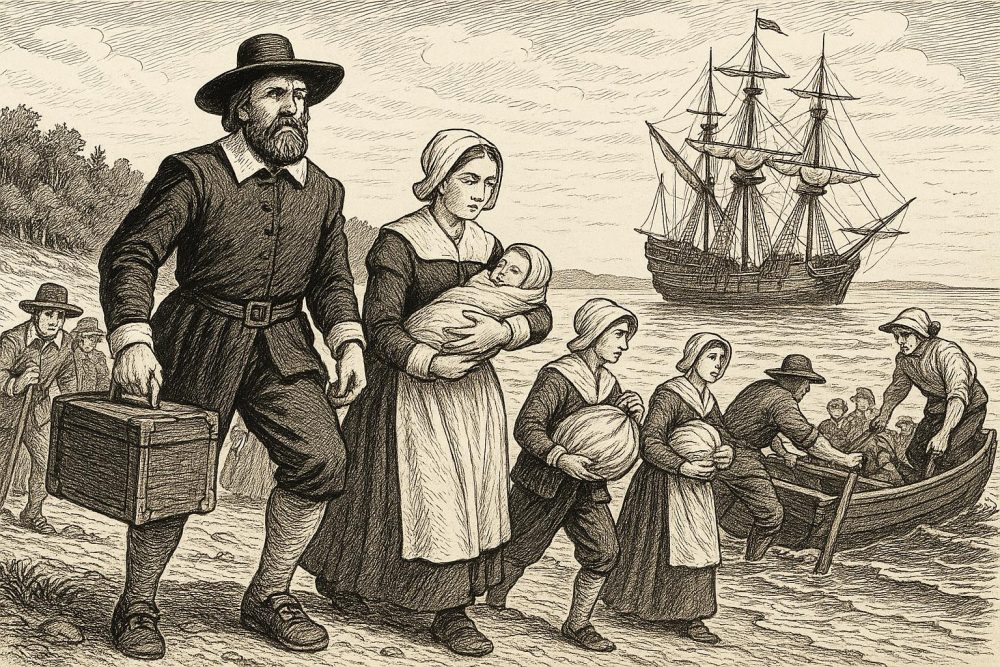
Overview of Migration during the Colonial Period
The colonial period, spanning roughly from the late 15th to the early 19th centuries, marked a significant chapter in history characterized by extensive movements of people across continents. This era witnessed the establishment of colonies primarily by European powers, including Spain, Portugal, Britain, France, and the Netherlands. The migration during this period was characterized by both voluntary and involuntary movements driven by diverse factors such as economic opportunities, religious freedom, and, unfortunately, coercive practices.
European Colonization and Settlement
European nations were largely driven by the desire for wealth, resources, and geopolitical power. The discovery of the New World by Christopher Columbus in 1492 heralded the beginning of widespread transatlantic migration. European settlers, soldiers, and administrators moved to establish colonies, often leading to the displacement of indigenous populations native to these lands.
European migration during the colonial era was notably facilitated by advancements in navigation and maritime technology. The development of more reliable and robust ships made long sea voyages possible, encouraging exploratory endeavors and the subsequent establishment of overseas colonies. These technological advancements were pivotal in connecting distant lands and were instrumental in the burgeoning European influence worldwide.
The Role of Economic and Religious Factors
Economic aspirations emerged as a crucial driving force behind migration patterns during the colonial period. Many Europeans were motivated by the allure of new lands where they could own property and establish businesses, acting as a stimulant for mass migration. Colonies presented numerous opportunities for trade, agriculture, and resource extraction, drawing individuals eager to improve their economic status.
In addition to economic reasons, religious factors played a significant role in prompting migration. Various religious groups, such as the Pilgrims and Puritans, sought refuge in North America to escape persecution in their homelands and to exercise their faith without hindrance. This quest for religious freedom led to demographic shifts, particularly in areas like the northeastern United States, where many religious migrants settled.
Involuntary Migration and the Transatlantic Slave Trade
A disheartening and significant component of migration during this era was the forced movement of Africans through the transatlantic slave trade. Millions of Africans were captured, sold, and transported under inhumane conditions to labor on plantations in the Americas. This involuntary migration not only had profound social and cultural impacts on the African continent but also shaped the demographic and economic landscapes of the New World.
The slave trade was primarily driven by the burgeoning demand for labor, particularly in plantation economies that heavily depended on intensive manual work. Sugar, cotton, and tobacco plantations required a substantial workforce, resulting in the forced migration of Africans who played a critical role in the economic development of the Americas during the colonial period.
Impact on Indigenous Populations
The arrival of Europeans and the subsequent migration profoundly affected indigenous populations across the Americas, Africa, and Asia. Indigenous communities frequently faced displacement from their lands and suffered significant population declines due to introduced diseases, warfare, and oppressive colonial policies.
The destabilizing influence of colonial rule disrupted the cultural and social structures of indigenous societies, having enduring effects. The holistic ways of life for many indigenous communities were undermined, leading to cultural erosion and systemic challenges that persist in contemporary contexts.
Migration to Other Parts of the World
While the focus largely remains on migrations associated with the Americas, it is equally crucial to recognize significant population movements in other regions. In Asia, European powers established trading posts and, later, colonies, which led to the migration of administrators, merchants, and, in some cases, missionaries who sought to spread religious beliefs alongside European influence and culture.
Similarly, in Africa, the wave of colonization initiated by European influences resulted in the movement of colonial officials and settlers to various parts of the continent. This migration was accompanied by efforts to exploit natural resources and establish control over strategic territories, enhancing European power and influence further afield.
End of Colonial Migration
As the colonial period drew to a close, a new era of movements aimed at independence unfolded globally, leading to a decline in colonial migration. Despite the reduction in colonial activities, the enduring legacy of this period is evident, with numerous nations continuing to bear the cultural, linguistic, and political imprints introduced during the colonial era. These legacies highlight the lasting influence of colonial migration on various societal structures and global interactions.
Further Reading
For those interested in delving deeper into the nuances of migration during the colonial period, numerous scholarly works offer detailed analyses. These resources explore the social, economic, and political dimensions of this significant historical phenomenon, providing richer insights into the complex tapestry of colonial migration.
Conclusion
The migration trends observed during the colonial period were intricate processes with far-reaching impacts. They set the foundation for the modern world, influencing demographic patterns, cultural landscapes, and global interactions that continue to affect societies today. A comprehensive understanding of these migratory movements and their resultant impacts remains crucial in appreciating the historical context surrounding many contemporary global issues, with lessons from this era offering valuable perspectives on ongoing discussions related to migration, cultural integration, and historical legacies.