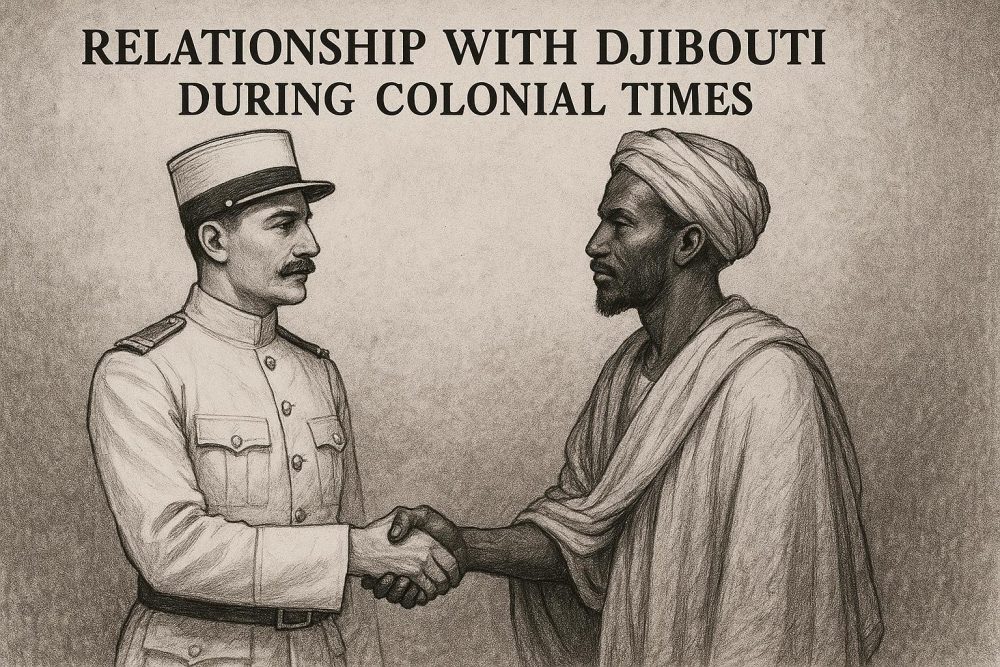
Colonial Influence in Djibouti
During the colonial era, Djibouti, located in the Horn of Africa, was under the dominion of France. The strategic position of Djibouti was instrumental for various colonial powers, given its proximity to the Red Sea and its location along the crucial shipping routes to the Suez Canal. The impact of this colonial past is evident in many aspects of Djiboutian life today, from its linguistic landscape to its economic structures and societal norms.
French Colonization Efforts
The French established a presence in Djibouti in the late 19th century. In 1884, France gained control over the region, subsequently naming it French Somaliland. This marked the beginning of a prolonged colonial relationship that would last until Djibouti’s independence in 1977. The initial intention was to use Djibouti as a coaling station for French vessels. Over time, it evolved into a significant colonial post within the region. The French pursued various strategies to entrench their influence, including the establishment of administrative structures modeled after French systems.
Economic Activities
Economic development during colonial times was mainly centered around the port of Djibouti. The port served as a key transit point for goods flowing between East Africa and Europe. The construction of the railway line from Djibouti to Addis Ababa, the capital of Ethiopia, was a major project instigated by the French. This railway facilitated commerce and affirmed the economic importance of the region. It served not only as a transportation link but also as a conduit for cultural and social exchange, reshaping various aspects of life in Djibouti and its neighboring regions.
Cultural Impacts
The French colonial period introduced various cultural influences into Djibouti. The French language and aspects of French culture made indelible marks on local life, and French remains an official language to this day. However, the colonial period also witnessed the imposition of foreign rule on traditional practices and governance structures. The education system, for instance, incorporated French curricula, which significantly impacted local educational practices and priorities. The French language, over time, became a medium of instruction and administrative communication, leaving a lasting legacy on Djibouti’s cultural identity.
Societal Changes
The colonial administration organized Djibouti’s society in ways that prioritized European settlers and their needs. Traditional systems were disrupted, leading to social transformations. Furthermore, the imposition of new laws and land policies often disadvantaged the local populations, affecting long-standing forms of social organization. These policies led to shifts in land ownership patterns and the displacement of traditional communities, fostering economic disparities that contributed to social stratification. Administrative changes also imposed new governance frameworks, influencing how local people interacted with authority and governance institutions.
Path to Independence
The movement towards independence began in the mid-20th century. Djibouti’s strategic importance continued to be recognized amid evolving geopolitical interests. In 1958, a referendum showed a majority of the population favored remaining with France; however, by 1977, pressure from nationalist movements and changing international tides culminated in Djibouti achieving independence. The independence movement was fueled by a combination of domestic dissatisfaction with colonial rule and broader decolonization currents sweeping across Africa and the world at large. Djibouti’s eventual independence marked a significant turning point in its history, paving the way for the establishment of sovereign state structures.
For additional insights into the historical nuances of this period, you may refer to scholarly articles and publications that delve into the colonial administration and its impacts on Djibouti’s evolution. Understanding the intricate details of Djibouti’s colonial past provides valuable context for appreciating the complex interplay of historical and contemporary forces shaping the nation today. These resources can offer a deeper understanding of the nuanced relationships and dynamics that have influenced Djibouti’s trajectory over the years. For more information, consider exploring JSTOR, a digital library for academic journals, which hosts a variety of scholarly discussions on such topics.