Understanding the Somalia-Somaliland Conflict
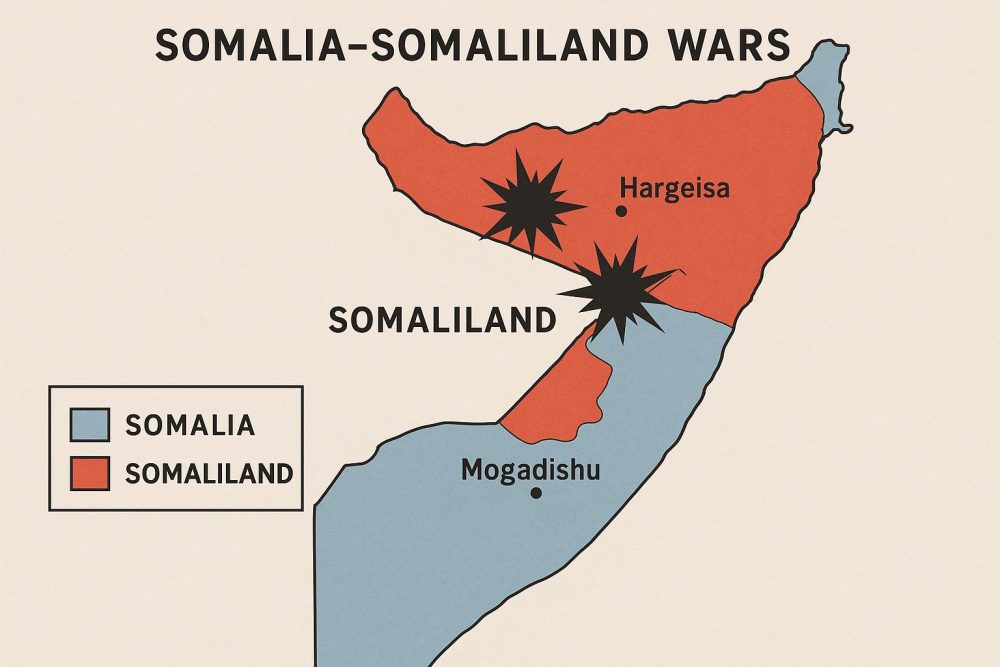
The conflict between Somalia and Somaliland is a complex and multifaceted issue. It is deeply embedded in historical, political, and social dynamics. At the heart of the matter is the self-declared independence of Somaliland from Somalia, a status that the Somali government does not recognize. This has led to ongoing tensions and sporadic conflicts, which continue to shape the region’s geopolitical landscape.
Historical Context
The roots of Somaliland’s quest for independence can be traced back to the colonial era. In the late 19th century, the region now known as Somalia was divided between two European colonial powers: Italy and the United Kingdom. The northern part of the region was established as a protectorate under British rule, known as British Somaliland. The southern part was controlled by Italy and referred to as Italian Somaliland.
As the world moved past World War II, the question of national unification became more pronounced. By 1960, both British Somaliland and Italian Somaliland achieved independence, just days apart. Thereafter, they merged to form the Somali Republic. However, this newly established union quickly encountered significant strain. The political and economic disparities, combined with cultural and social differences between the two regions, created tensions that would simmer for years to come.
Collapse of the Somali Government
Over decades, these tensions persisted under the surface. However, the situation took a drastic turn with the collapse of the Somali central government in 1991. This collapse resulted in a power vacuum and plunged the country into a prolonged and devastating civil war.
In the midst of this chaotic period, Somaliland declared its own independence. The leadership in Somaliland justified this move by referring to its historical colonial boundaries. Since then, Somaliland has embarked on building its own political institutions and has established a relatively stable government. This governing body operates with its own currency, legal system, and form of governance, showing a stark contrast to the rest of Somalia. Despite these developments, Somaliland has not been recognized by any country or international organization, leaving it in a state of limbo as a breakaway region.
Key Issues in the Conflict
There are two primary issues that continue to drive the conflict between Somalia and Somaliland:
1. Legitimacy and Recognition: The international community remains reluctant to recognize Somaliland as a sovereign state. Part of this hesitation stems from a general preference for maintaining territorial integrity across Africa. Many fear that recognition of Somaliland could set a precedent for other secessionist movements on the continent, potentially triggering a wave of new claims for independence.
2. Political and Economic Interests: Both Somalia and Somaliland share significant economic interests, particularly regarding resources and vital trade routes. Control over strategic locations such as the port city of Berbera is a major point of contention. This conflict over resources affects the broader regional power dynamics and complicates potential resolutions.
Current Developments
In recent years, there have been initiatives aimed at fostering dialogue between Somalia and Somaliland. These talks are often facilitated by international actors who hope to mediate a peaceful resolution. Discussions typically focus on security cooperation, economic collaboration, and frameworks that could guide future relations. Despite the efforts, a conclusive resolution remains elusive, as both parties continue to adhere rigidly to their respective positions.
Efforts towards achieving long-term peace and stability in the Horn of Africa region are crucially dependent on cooperation among local governments. Such efforts are further strengthened by the support of the international community. While the ongoing dialogues might not provide an immediate solution, they do offer a glimmer of hope. The potential for reducing tensions and paving the way for mutual understanding between Somalia and Somaliland remains a focus of international diplomacy.
A deeper understanding of the historical and political context surrounding the Somalia-Somaliland conflict offers insights into the broader implications for regional stability and international policy. For those interested in gaining more detailed information, exploring resources from organizations engaged in East African affairs can be enlightening. Notably, entities such as the African Union or the United Nations provide valuable insight into the ongoing efforts and challenges associated with the conflict.