Background
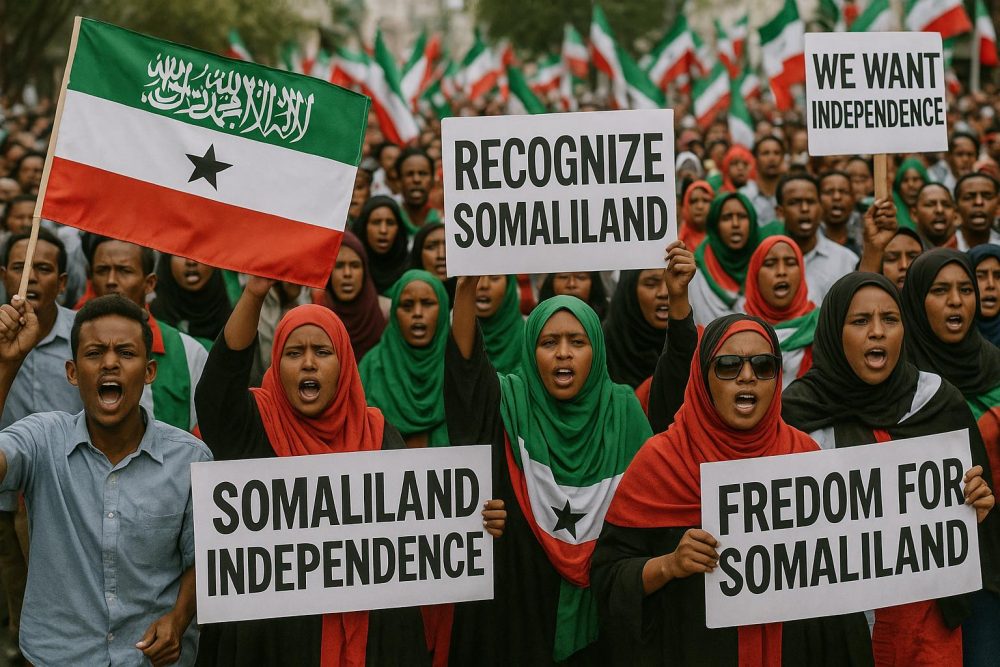
Somaliland, strategically situated on the northern coast of the Horn of Africa, is a region that declared its independence from Somalia in 1991. This decisive action was motivated by a pressing need for stability and autonomy, which had become imperative following prolonged periods of conflict and turmoil during the notorious Somali Civil War. Despite its self-proclaimed status as a sovereign state, Somaliland has yet to receive formal international recognition as an independent entity. Consequently, the global community largely views it as an autonomous region within Somalia.
Historical Context
To better understand Somaliland’s current situation, it’s essential to delve into its historical underpinnings. In the late 19th century, Somaliland fell under colonial rule, becoming known as British Somaliland. In 1960, a significant change occurred as British Somaliland achieved independence. Nonetheless, this newfound freedom was short-lived, as just five days later, it merged with Italian Somaliland to create the Somali Republic. Unfortunately, this union was characterized by numerous challenges and difficulties, ultimately leading to widespread disenchantment among the inhabitants of Somaliland.
Key Moments in the Independence Movement
The quest for independence gained significant momentum during the late 1980s. A pivotal factor in this movement was the emergence and activities of the Somali National Movement (SNM). The SNM primarily represented the Isaaq clan, the predominant ethnic group in the region. The oppressive policies enacted by the Siad Barre regime, targeted towards the people of Somaliland, further fueled their determination for self-governance.
Declaration of Independence
In 1991, a landmark event transpired as Somaliland proclaimed its independence following the downfall of Siad Barre. This bold declaration aimed to establish a government capable of ensuring peace and fostering reconstruction, setting it apart from the conflict-ridden regions prevalent in southern Somalia. It was a step towards carving out a distinct identity for Somaliland, grounded in the principles of peace and development.
Government and Political Structure
The Government of Somaliland operates within the framework of a multi-party democratic system. Central to its governance is a constitution that outlines the legal and political framework for the region. Somaliland’s political system features a president, elected through direct vote by the citizens. Additionally, the parliament comprises two chambers, working in conjunction to create and implement legislative policies. Complementing the executive and legislative branches is an independent judicial system. Together, these components aim to uphold stability, promote peace, and ensure the fair administration of justice across Somaliland’s territory.
Challenges to International Recognition
The path to international recognition presents several formidable obstacles for Somaliland. One of the primary hurdles is the African Union’s long-standing policy of respecting colonial borders. Granting recognition to Somaliland could potentially trigger a wave of secessionist movements across the African continent, setting a precedent that numerous African nations are cautious of. Moreover, the Somali government remains steadfastly opposed to relinquishing a region that constitutes a substantial part of its territory and coastline. These geopolitical complexities add layers of challenges to Somaliland’s quest for global acknowledgment.
Efforts to Gain Recognition
Over the years, Somaliland has undertaken consistent efforts to garner international support and acknowledgment of its independent status. This has involved lobbying within various organizations and engaging with foreign governments. Despite exercising de facto autonomy by maintaining its own currency, military, and political institutions, international recognition has remained elusive. The quest for recognition continues to be marked by persistence and resilience, underscoring Somaliland’s determination to establish its place on the global stage.
Economic Development and Infrastructure
Despite the significant challenges posed by a lack of recognition, Somaliland has achieved remarkable progress in the realms of economic development and infrastructure. A cornerstone of this progress is the Berbera Port, which functions as a crucial economic hub. The port is instrumental in facilitating trade and serves as a gateway to several landlocked countries in the region. This has bolstered trade and commerce significantly. In addition, Somaliland is actively working towards building partnerships and attracting foreign investments, particularly in thriving sectors such as telecommunications and livestock. These initiatives are vital in advancing its economic interests and improving living standards for its populace.
Conclusion
Somaliland’s journey towards independence is characterized by a steadfast commitment to establishing a stable and democratic governance structure, distinct from that of Somalia. Although international recognition remains an unfulfilled aspiration, the tireless efforts and resilience demonstrated by Somaliland highlight its unwavering pursuit of self-determination. As the world continues to grapple with questions of sovereignty and identity, Somaliland stands as a testament to the enduring spirit of a people striving for self-governance and peace. For those interested in exploring further the dynamics surrounding Somaliland’s independence movement, additional information is available on the official government website of Somaliland.