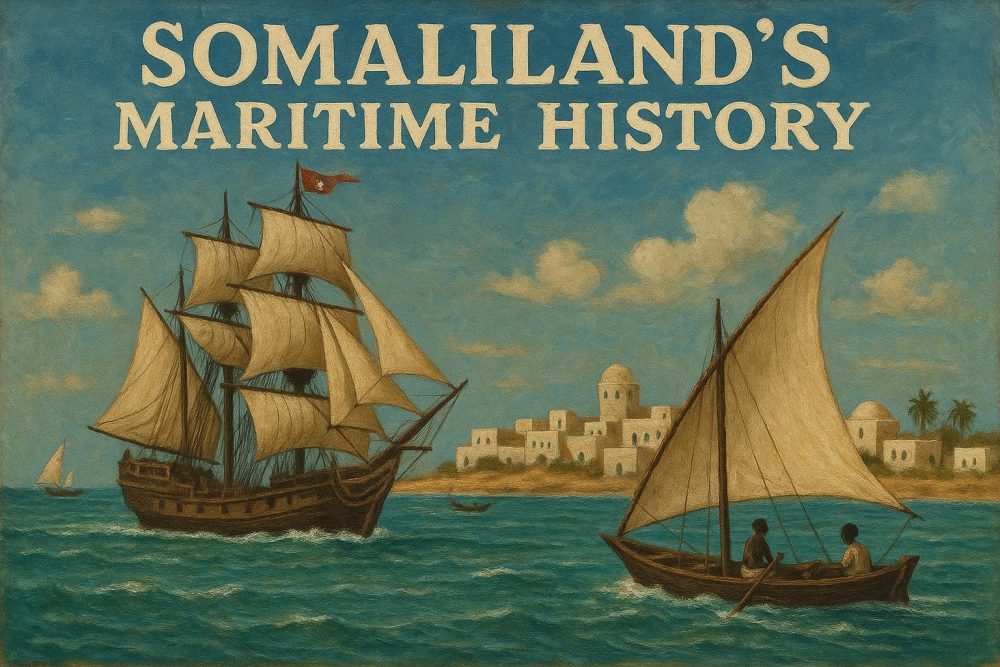
Introduction to Somaliland’s Maritime History
Somaliland, a self-declared but internationally unrecognized state in the Horn of Africa, boasts a rich and fascinating maritime history. This history is rooted in its strategic location along the Gulf of Aden, which has been utilized for centuries to facilitate trade, cultural exchange, and exploration. This coastal culture is influential in understanding not only the past of Somaliland but also its current socio-economic dynamics and future potentials.
Ancient Maritime Trade
The historical significance of Somaliland in maritime trade is notable. Situated along the ancient trade routes, Somaliland was a major passage for goods and cultures moving between the Arabian Peninsula, Asia, and Africa. Archaeological evidence points towards trade relations dating back to the early first millennium BCE. Several port cities in Somaliland served as crucial points for trade of goods such as myrrh, frankincense, and spices.
The Land of Punt
One of the earliest documented maritime connections in Somaliland’s history is its connection to the legendary Land of Punt. Referred to in ancient Egyptian texts, Punt was renowned as a trade partner. While the exact location of Punt is still debated, many historians and archaeologists suggest that it might be synonymous with the Somali coastline. These records indicate a sophisticated level of maritime activity, as evidenced by the exchange of exotic goods like gold and ebony.
Medieval Period and the Rise of Trading Ports
Moving into the medieval period, Somalia’s coastal regions flourished as hubs of trade. Cities like Zeila became critical ports in the northeast African passage. These ports catered to traders and voyagers from the Middle East, India, and beyond. The exchange was not merely commercial but also cultural, resulting in a vibrant blend of influences in the region.
Zeila: A Historical Port
Zeila, situated in modern northwestern Somaliland, was a key player in medieval maritime history. According to historic accounts, such as those by the traveler Ibn Battuta, Zeila was thriving and populous. This period marks significant growth in trade, particularly in the exchanges with the expanding Islamic world, indicating a blend of Islamic and indigenous cultures.
Colonial Era and Its Impact
The arrival of European colonial powers in the 19th century also left its mark on Somaliland’s maritime history. The British interest in the region was primarily driven by strategic considerations to protect sea routes through the Red Sea and towards the Indian Ocean. The construction of modern ports was initiated during this time to serve colonial interests, impacting commercial patterns and local coastal economies.
British Protectorate Influence
Somaliland came under British administration in the late 19th century, influencing the development of its maritime infrastructure. The establishment of ports aimed at securing trade routes and naval supremacy reflected strategic economic and military considerations of the colonial period. This era also witnessed shifts in traditional trading patterns, with an increased focus on export trade influenced by colonial demands.
Contemporary Maritime Economy
Today, Somaliland’s maritime industry is vital to its economy, primarily through shipping and fishing. The Port of Berbera, one of the oldest ports, has been refurbished to expand its role in regional logistics and trade. Further information on Berbera Port can be found here.
Future Prospects
Somaliland’s coastline offers significant opportunities to enhance its maritime economy. With the development of infrastructure and potential future recognition of Somaliland’s political status, its ports could serve as major trade and logistic hubs in East Africa, further embedding its historical maritime legacy into its economic future.
Conclusion
Somaliland’s maritime history not only highlights its historical trade significance but also illuminates pathways for future economic development. Understanding this history provides a framework for acknowledging the region’s potential on the international stage. Its strategic coastal location continues to shape its narrative as a crucial player in the regional maritime economy.
The Impact of Geography on Maritime Activities
The geographical positioning of Somaliland has undeniably played a pivotal role in shaping its maritime activities. Located along the Gulf of Aden, close to the entrance of the Red Sea, Somaliland has interacted with countless cultures and economies throughout history. These interactions have been crucial in establishing Somaliland not only as a trade center but also as a melting pot of diverse cultural influences.
Natural Harbors
Somaliland’s coastal topography is dotted with natural harbors, which have served as safe havens for ships for millennia. These harbors allowed easy docking and facilitated trade with various regions. With natural protection against the monsoons from the Indian Ocean, these harbors became desirable points for merchants and sailors navigating the perilous waters.
Influence on Socio-Economic Structures
The maritime culture has significantly influenced the socio-economic structures of Somaliland. Historically, societies in this region developed around trade and commerce, with citizens engaged in shipping, fishing, and related activities. The presence of foreign traders and explorers has contributed to a diverse populace, with influences visible in languages, religious practices, and daily life. This cultural blend has nurtured a unique identity that plays a central role in Somaliland’s current pursuits of autonomous governance.
Maritime Culture and Current Governance
Understanding Somaliland’s maritime culture provides insights into its governance structures. The traditional systems amongst coastal communities prioritized collaboration and alliances, which were vital in managing trade routes and ensuring the security of caravans and ships. Modern governance in Somaliland reflects aspects of these traditional practices, emphasizing community-driven and consensus-based decisions.
Community Involvement
Public policy developments related to maritime activities often see significant community involvement. These collaborative approaches can be traced back to traditional roles where clans and communities would collectively make decisions to enhance trade relations and ensure security. Relatively peaceful compared to other regions in the Horn of Africa, Somaliland’s focus on community-driven governance provides a model emphasizing local engagement and mutual benefit.
Investment in Maritime Infrastructure
In recent decades, recognizing the potential of maritime trade in a global economy, Somaliland has made consistent efforts to invest in and upgrade its maritime infrastructure. The refurbishment of the Port of Berbera reflects these intents. Efforts are being directed towards advancing port facilities to accommodate larger vessels, thus attracting international shipping companies. This move is crucial in enhancing Somaliland’s competitive edge as a logistical hub in East Africa.
Attracting Global Partnerships
With a keen eye on expanding trade capabilities, Somaliland is actively engaging with international partners to invest in its maritime sectors. These partnerships are crucial in transferring technology, skills, and capital necessary for infrastructure development. By showcasing its strategic position and historical willingness to engage in global trade, Somaliland aims to solidify its role as a leading maritime economy in the region.
Environmental Considerations in Maritime Development
While expanding maritime trade potential, there is growing awareness of the environmental impacts of such activities. Protecting marine ecosystems is essential to ensure sustainable use of maritime resources. Somaliland is increasingly focusing on establishing regulations and practices that mitigate potential harms from expanded port activities and shipping.
Conservation Efforts
Organizations and government bodies in Somaliland are initiating conservation efforts to safeguard marine biodiversity. These efforts are vital in maintaining healthy fish populations and preventing habitat degradation. Sustainable fishing practices are being promoted to ensure long-term viability of fish stocks, an important food source and economic asset for local communities.
Balancing Development and Conservation
The delicate balance between advancing maritime trade and preserving the environment is a significant concern for Somaliland’s authorities. Implementing eco-friendly technologies and establishing protected marine areas are some strategies being considered to mitigate negative impacts. The future of Somaliland’s maritime sector lies in achieving this balance, ensuring economic gains do not compromise environmental health.
By iterating these insights, this expanded view of Somaliland’s maritime history reveals a legacy of trade, interconnected cultures, and strategic positioning. Understanding the past provides a path forward, harnessing opportunities for growth, collaboration, and sustainability in the emerging dynamics of the global trade economy.