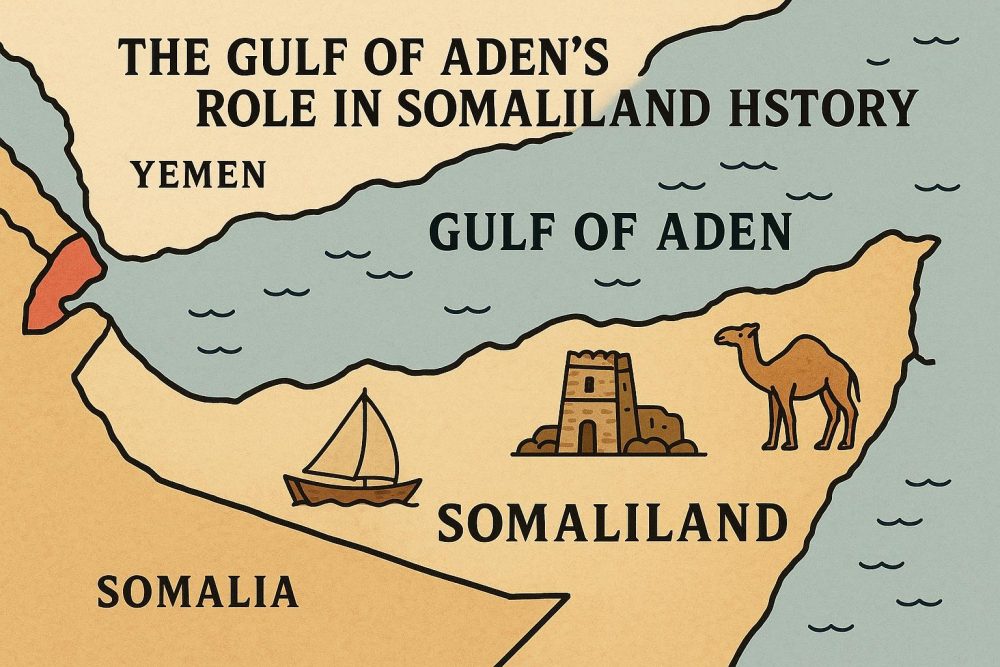
The Strategic Importance of the Gulf of Aden in Somaliland History
The Gulf of Aden has played a significant role in the history and development of Somaliland, an autonomous region in northern Somalia. Its strategic position has had various implications spanning trade, geopolitics, and historical migrations.
Geographical Significance
The geographical location of the Gulf of Aden is pivotal for several reasons. It is positioned between the southern coast of Yemen and the northern coast of Somalia, connecting the Red Sea to the Arabian Sea. This corridor serves as a crucial link between the Middle East, Africa, and Asia, contributing significantly to its status as a principal maritime pathway. This location serves not merely as a geographical intersection but as a cultural and commercial one, influencing historical trade routes that have stood the test of time.
The strategic placement of the Gulf of Aden also creates a unique marine environment that supports significant biodiversity. The waterway acts as a natural habitat for a wide array of species, many of which are essential to the marine life and ecological diversity of the region. The Gulf’s fisheries provide a critical source of livelihood for coastal communities, establishing a dependency that has existed for centuries.
Trade and Economic Importance
Tracing back to ancient times, the Gulf of Aden has been invaluable as an economic gateway for the inhabitants of Somaliland and beyond. One of the prominent features of this trade has been the spice trade, which thrived due to the Gulf’s proximity to the Arabian Peninsula and South Asia. These trade routes not only brought prosperity but also established Somaliland as an important trading post, contributing to its economic and cultural interactions with the surrounding territories.
The port of Berbera in Somaliland continues this historical role today by acting as a vital hub for trade. It serves as a cornerstone for the import and export of goods across the region. Port activities stimulate local economies, provide employment, and facilitate the movement of goods. This regional hub amplifies the global economic linkage through its capacity to handle significant volumes of goods, making it indispensable in international trade networks.
Political and Strategic Dynamics
The Gulf of Aden’s geopolitical significance cannot be underestimated, given its strategic location as one of the world’s busiest shipping lanes. It effectively serves as a chokepoint in global oil circulation, facilitating the navigation of essential commodities to and from various parts of the world.
The Gulf has consequently attracted international attention due to its strategic importance. This has historically ranged from anti-piracy missions to the establishment of foreign military bases in the vicinity. Countries around the world have vested interests in maintaining the security and accessibility of these shipping lanes, reflecting the continued importance of this waterway. The presence of international naval forces aims to ensure the safe passage of ships, thereby playing a crucial role in global trade flows.
Historical Migrations and Cultural Exchanges
The Gulf of Aden has also been a conduit for cultural and human exchanges, facilitating migrations between Africa and the Arabian Peninsula over centuries. These migrations have impacted the demographic and cultural landscapes profoundly, influencing the social fabric of Somaliland.
The movement of peoples across this region has led to dynamic linguistic, cultural, and ethnic diversities within Somaliland. This historical flow has enriched the cultural heritage of the area, leading to a melting pot of customs, languages, and traditions that continue to thrive. The interconnectedness fostered by this migratory history underlines the Gulf’s role as not just an economic and geopolitical corridor, but as a cultural bridge between various civilizations.
Ecological and Environmental Aspects
Ecologically, the Gulf of Aden supports diverse marine life and ecosystems critical to the survival and livelihoods of coastal populations. The Gulf’s rich marine biodiversity contributes to its economic significance, where fisheries play an indispensable role in the livelihoods of those inhabiting the coastal zones.
However, modern challenges threaten this ecological balance. Issues such as piracy, illegal fishing, and oil spills present significant threats to the environment. They exacerbate risks to the ecosystem services upon which local communities rely. These contemporary challenges necessitate collaborative international efforts to ensure the sustainable management of resources, balancing economic pursuits with ecological conservation.
Conclusion
In summary, the Gulf of Aden remains a central feature in the history of Somaliland, influencing trade, politics, cultural interactions, and ecological systems. Recognizing its multifaceted role allows for a deeper understanding of the broader historical and contemporary narrative of the region. This vital waterway persists as a cornerstone in the unfolding historical development of the area, shaping not just Somaliland but the global interconnections that define our world today. As such, the continued stability and sustainability of this region are of paramount importance, warranting concerted efforts for preservation and harmony across its various dimensions.