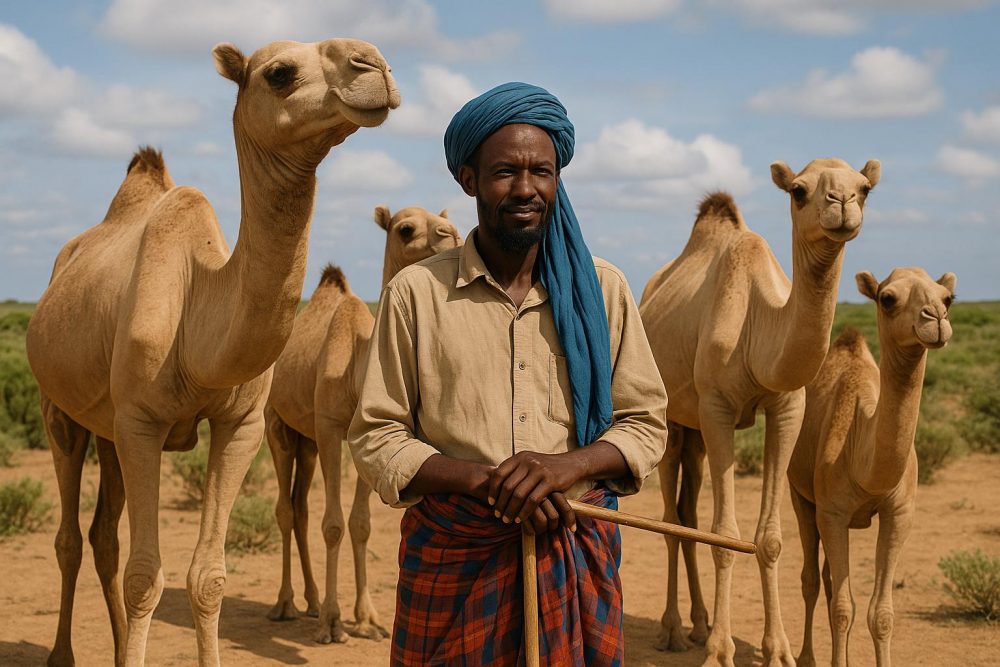
The Integral Role of Camels in Somali Society
The Somali culture has long been intertwined with the presence and significance of camels. This iconic animal holds a central place in the economic, social, and cultural fabric of the region. For the Somali people, camels are more than a mere source of transport or food; they embody a way of life that has been passed down through generations.
Economic Importance
Camels are a critical component of the Somali economy. They are highly valued for their ability to endure the harsh conditions of the arid and semi-arid regions. These resilient animals provide a reliable means of transportation, making them indispensable for nomadic communities who traverse vast stretches of land in search of pasture and water.
Camels are uniquely suited to the Somali landscape, known for their ability to survive long periods without water. Their adaptation to the desert environment makes them invaluable for communities dwelling in these regions. Nomadic herders efficiently follow seasonal patterns of rainfall, moving with their camel herds to access scarce resources. This mobility ensures the survival of both the herds and the people dependent on them.
Furthermore, camels are an essential source of income for many Somali families. Their milk, often referred to as “white gold,” is a staple in the Somali diet and is also sold in local and international markets. Camel milk has nutritional qualities that make it highly sought after. Rich in vitamin C and low in fat, it is considered healthier than cow’s milk. Its demand is not limited to Somalia, with markets abroad recognizing its value.
Camel meat is another vital resource, providing nutrition for the community and economic benefits for livestock traders. The meat is rich in protein and is an important part of Somali cuisine. It is not only consumed domestically but also exported, contributing significant revenue to the national economy. Livestock markets often showcase camel meat, reflecting its importance in trade.
Social Significance
Beyond their economic contributions, camels play a vital role in the social structure of Somali society. Ownership of camels is a symbol of wealth and status. It is common for families to measure their wealth by the number of camels they possess, and this often influences social standing within the community.
Camels also serve as a form of social currency. In Somali culture, the exchange of camels has profound implications. During marriage negotiations, for instance, camels are often given as part of a bride price, signifying agreement and respect between families. This tradition underscores the deep social bonds and mutual respect in the larger community.
In addition to their role in status, camels are deeply rooted in social customs and traditions. Various ceremonies, such as weddings and other community gatherings, often involve the exchange of camels as gifts, which underscores their importance in cultural practices. In some cases, camels are given as a sign of trust or partnership. They are not just property but part of a broader social tapestry, intertwining individual families within larger social networks.
Cultural Expressions
The Somali people’s connection with camels extends into cultural expressions, including poetry, songs, and art. Camels frequently appear in Somali oral literature and are celebrated for their majestic nature and resilience. Poets often use camels as metaphors for beauty, strength, and endurance, capturing the deep respect and admiration the Somali people have for these creatures.
Somali oral poetry is a testament to the central role camels play in cultural identity. This rich tradition of poetry is integral to the Somali arts, capturing and preserving the essence of life in the harsh landscapes of the Horn of Africa. Camels, often depicted as noble and elegant creatures in these poetic narratives, are revered for epitomizing the same qualities that many respect and aspire to — strength, endurance, and loyalty. Additionally, visual arts often depict camels in various forms, immortalizing them as icons of the Somali cultural heritage.
Challenges and Conservation
Despite their cultural and economic significance, the camel population faces numerous challenges. Climate change, overgrazing, and environmental degradation pose serious threats to their survival. The changing climate has led to unpredictable weather patterns that impact food and water availability for these animals. As human populations grow, increased pressure on land resources has resulted in overgrazing, diminishing the availability of grazing land for camels.
Efforts are underway to address these challenges through sustainable livestock management practices and conservation programs. Conserving the camel population involves balancing the demands of human needs with the sustainability of camel herds. Practices are being developed to ensure that camels remain a sustainable resource for future generations, adapting modern techniques to traditional herding methods.
Understanding the value of camels to Somali culture is crucial in promoting their preservation. Encouraging both local and international support for initiatives aimed at sustaining camel populations is vital for maintaining this integral aspect of Somali heritage. For further details on conservation efforts, you may refer to Research Organizations working in the region.
In summary, the relationship between the Somali people and camels is a testament to the adaptive strategies of humans and animals in a challenging environment. It reflects a mutual dependence that sustains both. As a keystone of Somali identity, camels symbolize the resilience and resourcefulness of the community they belong to. Their continued presence in Somali society, through both tradition and modern adaptation, ensures that their legacy will endure for future generations.