Category: History

Anglo-Somali conflicts

Somaliland74

Introduction to the Anglo-Somali Conflicts

The Anglo-Somali conflicts were a series of significant confrontations between the British Empire and Somali forces, unfolding primarily in the late 19th and early 20th centuries. These conflicts were largely motivated by colonial ambitions, local resistance, and the complex geopolitical dynamics of the Horn of Africa. The interactions between British colonial authorities and Somali leaders were multifaceted and involved intricate negotiations, intense warfare, and strategic regional power plays.

Historical Context

The origins of the Anglo-Somali conflicts can be traced back to the ‘Scramble for Africa’, a period characterized by European powers aggressively vying for control over African territories. Among these, Somalia held a strategic position along the Indian Ocean coast and at the entrance to the Red Sea, making it a valuable asset for British colonial interests. As a result, various treaties and military expeditions were carried out by the British, who sought to protect their merchant routes and assert dominance over the region.

Imperial Interests of the British Empire

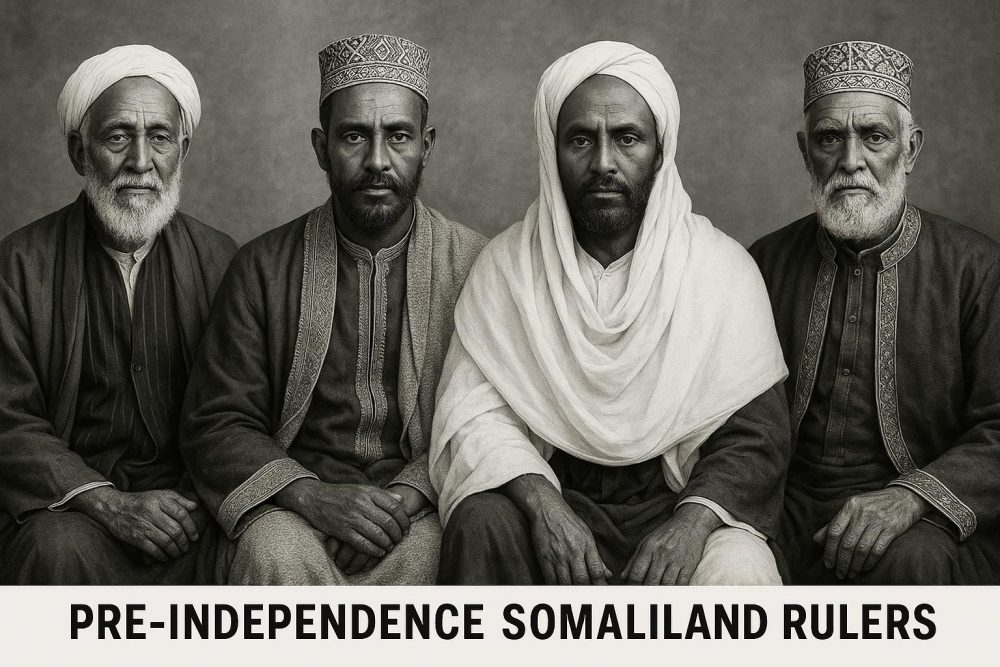
The British empire’s principal focus was on ensuring the security of its trade routes, especially following the opening of the Suez Canal in 1869, which created a crucial maritime shortcut to Asia and Eastern Africa. In pursuit of this objective, British Somaliland was established in the late 1880s, after the British negotiated treaties with local Somali chiefs. This was part of a broader strategy to ensure regional stability and safeguard naval interests by controlling key Somali territories.

Persistent Somali Resistance

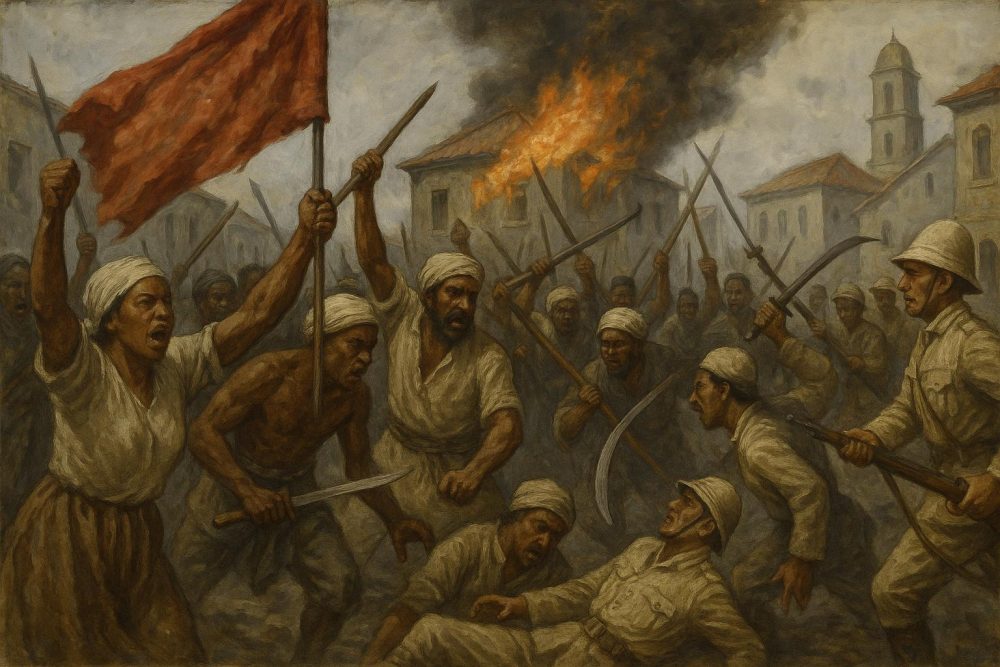
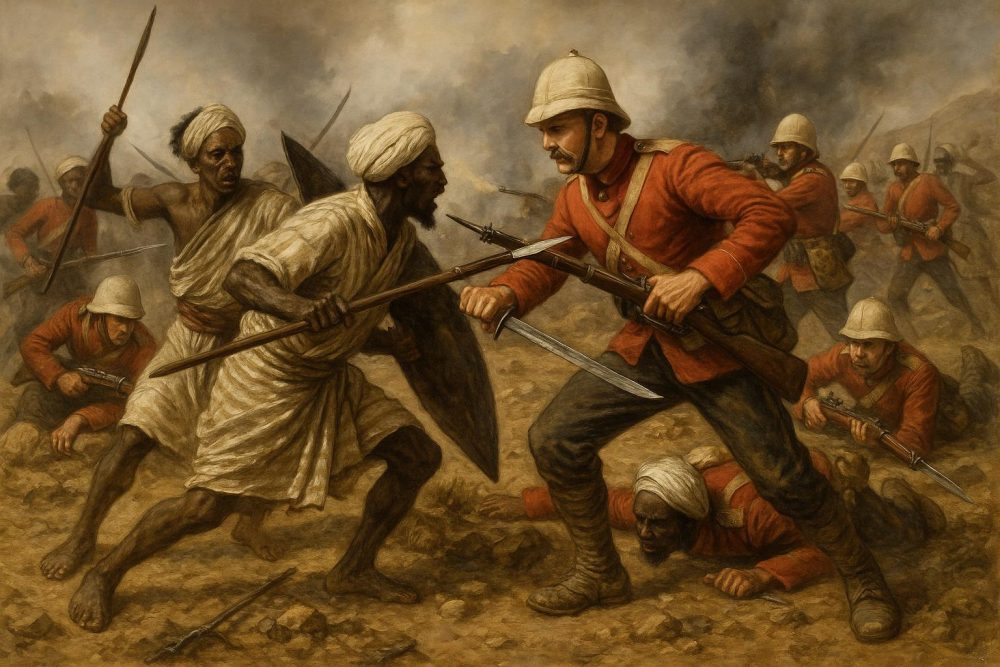
Resistance to British colonial rule in Somalia was both persistent and effectively organized. Prominent among the resistance leaders was Sayyid Mohammed Abdullah Hassan, whom the British pejoratively referred to as the “Mad Mullah”. Hassan’s movement, known as the Dervish State, actively opposed colonial forces from 1899 to 1920. This resistance was driven by a mix of religious fervor, strong anti-colonial sentiment, and the aspiration to unite various Somali clans under a single leadership banner.

Military Strategies and Tactics

The Anglo-Somali conflicts were marked by varied military tactics and strategies. Somali forces, although technologically less equipped, utilized guerrilla warfare effectively. Their deep understanding of the local geography allowed them to strategically leverage terrains against the British forces, inflicting significant setbacks on several occasions.

Conversely, the British employed modern weaponry and reinforcements sourced from their colonies and protectorates. Furthermore, they engaged in strategic negotiations with different Somali clans, attempting to isolate Hassan’s movement by utilizing a combination of diplomacy and force. This multifaceted approach was intended to break the resistance and consolidate British power in the region effectively.

Long-term Consequences and Aftermath

The consequences of the Anglo-Somali conflicts were profound and resulted in notable disruptions across the region. Despite the eventual British success in undermining the Dervish State by 1920, the conflicts’ impacts were long-lasting. They not only reshaped the socio-political landscape of Somalia but also established a complex foundation for future interactions between Somali leaders and colonial powers.

These historical conflicts left an indelible mark on Somalia’s path toward modern statehood and independence. Understanding this period provides valuable insights into the dynamic interplay of colonial powers and local resistance movements in Africa. Those interested in exploring this topic further might consult reputable historical sources or scholarly publications to gain a deeper and more comprehensive understanding of the events and their implications.

The Anglo-Somali conflicts serve as a reminder of the intricate dynamics that often underpin colonial expansion and resistance. These interactions continue to influence regional politics and the legacy of colonialism in contemporary times. By delving into the deeper intricacies of these past events, one can appreciate the nuanced historical narratives and their relevance to ongoing discussions about sovereignty, identity, and colonial legacies in the Horn of Africa.

Somaliland’s independence movements

Somaliland73

Background

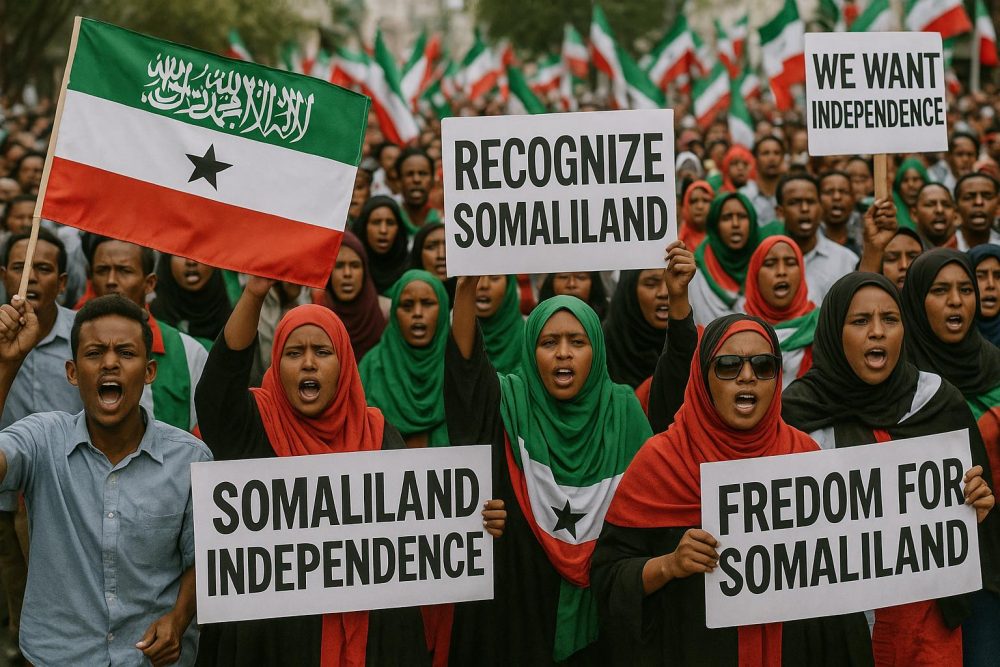
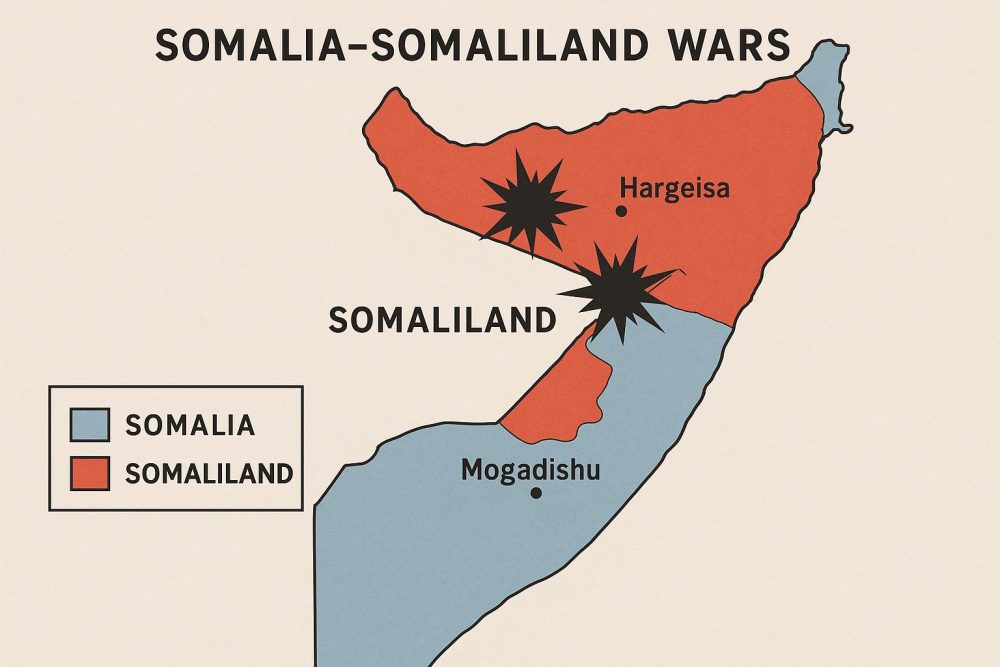
Somaliland, strategically situated on the northern coast of the Horn of Africa, is a region that declared its independence from Somalia in 1991. This decisive action was motivated by a pressing need for stability and autonomy, which had become imperative following prolonged periods of conflict and turmoil during the notorious Somali Civil War. Despite its self-proclaimed status as a sovereign state, Somaliland has yet to receive formal international recognition as an independent entity. Consequently, the global community largely views it as an autonomous region within Somalia.

Historical Context

To better understand Somaliland’s current situation, it’s essential to delve into its historical underpinnings. In the late 19th century, Somaliland fell under colonial rule, becoming known as British Somaliland. In 1960, a significant change occurred as British Somaliland achieved independence. Nonetheless, this newfound freedom was short-lived, as just five days later, it merged with Italian Somaliland to create the Somali Republic. Unfortunately, this union was characterized by numerous challenges and difficulties, ultimately leading to widespread disenchantment among the inhabitants of Somaliland.

Key Moments in the Independence Movement

The quest for independence gained significant momentum during the late 1980s. A pivotal factor in this movement was the emergence and activities of the Somali National Movement (SNM). The SNM primarily represented the Isaaq clan, the predominant ethnic group in the region. The oppressive policies enacted by the Siad Barre regime, targeted towards the people of Somaliland, further fueled their determination for self-governance.

Declaration of Independence

In 1991, a landmark event transpired as Somaliland proclaimed its independence following the downfall of Siad Barre. This bold declaration aimed to establish a government capable of ensuring peace and fostering reconstruction, setting it apart from the conflict-ridden regions prevalent in southern Somalia. It was a step towards carving out a distinct identity for Somaliland, grounded in the principles of peace and development.

Government and Political Structure

The Government of Somaliland operates within the framework of a multi-party democratic system. Central to its governance is a constitution that outlines the legal and political framework for the region. Somaliland’s political system features a president, elected through direct vote by the citizens. Additionally, the parliament comprises two chambers, working in conjunction to create and implement legislative policies. Complementing the executive and legislative branches is an independent judicial system. Together, these components aim to uphold stability, promote peace, and ensure the fair administration of justice across Somaliland’s territory.

Challenges to International Recognition

The path to international recognition presents several formidable obstacles for Somaliland. One of the primary hurdles is the African Union’s long-standing policy of respecting colonial borders. Granting recognition to Somaliland could potentially trigger a wave of secessionist movements across the African continent, setting a precedent that numerous African nations are cautious of. Moreover, the Somali government remains steadfastly opposed to relinquishing a region that constitutes a substantial part of its territory and coastline. These geopolitical complexities add layers of challenges to Somaliland’s quest for global acknowledgment.

Efforts to Gain Recognition

Over the years, Somaliland has undertaken consistent efforts to garner international support and acknowledgment of its independent status. This has involved lobbying within various organizations and engaging with foreign governments. Despite exercising de facto autonomy by maintaining its own currency, military, and political institutions, international recognition has remained elusive. The quest for recognition continues to be marked by persistence and resilience, underscoring Somaliland’s determination to establish its place on the global stage.

Economic Development and Infrastructure

Despite the significant challenges posed by a lack of recognition, Somaliland has achieved remarkable progress in the realms of economic development and infrastructure. A cornerstone of this progress is the Berbera Port, which functions as a crucial economic hub. The port is instrumental in facilitating trade and serves as a gateway to several landlocked countries in the region. This has bolstered trade and commerce significantly. In addition, Somaliland is actively working towards building partnerships and attracting foreign investments, particularly in thriving sectors such as telecommunications and livestock. These initiatives are vital in advancing its economic interests and improving living standards for its populace.

Conclusion

Somaliland’s journey towards independence is characterized by a steadfast commitment to establishing a stable and democratic governance structure, distinct from that of Somalia. Although international recognition remains an unfulfilled aspiration, the tireless efforts and resilience demonstrated by Somaliland highlight its unwavering pursuit of self-determination. As the world continues to grapple with questions of sovereignty and identity, Somaliland stands as a testament to the enduring spirit of a people striving for self-governance and peace. For those interested in exploring further the dynamics surrounding Somaliland’s independence movement, additional information is available on the official government website of Somaliland.

The use of poetry as a historical record

Somaliland72

The Role of Poetry in Historical Documentation

Poetry has been an integral component of human expression throughout the history of civilization. This literary form often acts as a mirror to the times, offering insight into societal norms, political climates, and personal experiences. As a historical record, poetry provides a unique perspective that complements other historical documents, enriching our understanding of the past in a deeply human way.

Poetry as a Reflection of Societal Values

Historical poetry often encapsulates the cultural and social values prevalent during the period in which it was created. Poets frequently address issues of morality, justice, and communal identity, offering future generations a window into the societal priorities of the past. For instance, works from the Romantic era underscore the period’s heightened focus on nature and individualism. The Romantic poets, such as William Wordsworth and Samuel Taylor Coleridge, used their poetry to express a profound admiration for the natural world, reacting against the industrialization that was rapidly changing society. These poems resonate with modern readers because they highlight an enduring human concern with our relationship to nature and our inner, individual selves.

Beyond Romanticism, poetry has often been a medium through which societal values are questioned and reshaped. In the Harlem Renaissance, poets like Langston Hughes used their work to reflect on racial identity and the quest for equality during a period of significant social change in the United States. Such poems provide a snapshot of the cultural dynamism of the era, capturing the voices and struggles of people striving for recognition and rights.

Political Commentary and Social Critique

Throughout history, poets have used their craft to critique governance and advocate for social change. These works serve as an essential record of political dissent and public sentiment. By examining political poetry, historians gain insight into the public’s response to events such as wars, revolutions, and reforms.

For example, during the era of the French Revolution, poets like William Blake and Percy Bysshe Shelley expressed their revolutionary ideas through verse, advocating for liberty and critiquing tyranny. These poetic works not only communicate the fervor of revolutionary ideals but also reveal the passion and urgency felt by individuals who experienced these tumultuous times firsthand. Similarly, during the Vietnam War, poets like Allen Ginsberg and Denise Levertov wrote powerful pieces that condemned the conflict and advocated for peace, capturing the voices of protest and dissent that were prominent at the time.

Political poetry is not restricted to times of war and revolution. In facing environmental issues, modern poets continue to use their voices to comment on the state of the world, urging action and reflection. This ongoing tradition of using poetry as a tool for social critique emphasizes the form’s enduring relevance in political discourse.

Personal Histories and Public Events

While historians typically rely on official records and documents, poetry offers a more personal narrative, documenting the human aspect of history. On a personal level, poetry captures the intimate details of people’s lives, providing insights into their thoughts, emotions, and daily experiences. These personal accounts within poems often reveal emotions and perspectives that are absent from traditional records. This provides a richer and more nuanced understanding of historical events.

For example, in World War I, soldiers like Wilfred Owen and Siegfried Sassoon wrote poetry that conveyed the harrowing realities of trench warfare. Their works provide visceral images and first-hand accounts of the brutality and futility of war, adding a human dimension to historical records that often focus on political and strategic perspectives. The emotions conveyed through their words offer a valuable perspective on the psychological impact of war on individuals.

Moreover, personal expressions in poetry can contribute to our understanding of broader historical phenomena, such as migration, by illustrating the experiences of those who lived through such events. These accounts deepen our appreciation for the sacrifices and aspirations of individuals who have shaped social and cultural landscapes.

Cross-Cultural Exchange and Continuity

Poetic works also embody the exchange of ideas and cultural practices across different societies and time periods. By analyzing poetry, historians can trace the influences of different cultures and the continuity of themes throughout history. Historical poetry reflects the interconnectedness of human experience, revealing how themes of love, conflict, and resilience have transcended borders and epochs.

Classical poetry from the East, such as the works of Persian poets like Rumi and Hafez, continues to influence Western literature, demonstrating enduring cultural exchanges. Their poetry, rich with metaphoric language and philosophical insight, explores universal themes that resonate across diverse audiences. Similarly, the influence of ancient Greek and Roman poetry on Western literary traditions illustrates how ideas and literary techniques have traveled and transformed between cultures.

This cross-cultural exchange in poetry highlights the universal themes present throughout human history, emphasizing our shared experiences and aspirations. By exploring the diverse traditions of poetic expression, we deepen our understanding of the human condition and recognize the continuity of artistic endeavor across time and geographic boundaries.

To explore further, consider visiting resources provided by noteworthy literary and historical institutions to deepen your understanding of the significance of poetry as a historical source. These resources can offer additional context and analysis, highlighting the contributions of poets across different eras and cultures to our understanding of history.

The role of religious scholars in Somaliland’s history

Somaliland71

The Historical Context of Religious Scholars in Somaliland

Religious scholars have played a significant role in the history of Somaliland, a region located in the Horn of Africa. Their influence spans various aspects of societal development, including education, governance, and conflict resolution. Understanding the impact of these scholars requires delving into the socio-political and historical background of the area.

Educational Influence

Religious scholars, or Ulema, have historically been the primary custodians of knowledge in Somaliland. They have established and managed religious schools known as madrasas, which have been instrumental in teaching the Quran, Hadith, and various Islamic sciences. These institutions laid the foundations for literacy and education in the region before the introduction of formal Western education systems. Over time, madrasas served as crucial centers for learning and cultural preservation, playing a key role in instilling Islamic values and knowledge.

In looking at the influence of Ulema, it is important to recognize that beyond religious teachings, these educational institutions provided a platform for the transmission of cultural heritage and traditional intellectual life. They were not merely centers for learning religious texts but also places where discussions regarding philosophy, logic, and various sciences were held. This integrated approach to education ensured that students received a well-rounded understanding of not just Islamic doctrine but also of the world and the universe as understood through the prism of Islamic scholarship.

For many centuries, madrasas remained the sole institutions where formal learning took place, effectively making religious scholars the gatekeepers of knowledge. Their pivotal role in education contributed to their esteemed position in society and facilitated their influence in other areas such as governance.

Governance and Mediation

In addition to providing education, religious scholars have been pivotal in governance and conflict resolution in Somaliland. They wielded significant influence in the pre-colonial sociopolitical landscape, where clan-based governance was prevalent. The scholars often acted as mediators in disputes, providing a voice of reason grounded in Islamic jurisprudence, known as Sharia.

In societies organized along clan lines, where tribal affiliations and loyalties often played a vital role in determining political and social outcomes, the presence of religious figures helped to transcend these potentially divisive elements. By relying on principles of justice, equality, and mutual respect enshrined in Islam, religious scholars managed to mediate conflicts and build bridges between disputing parties.

For instance, during the colonial and post-independence periods, religious figures were instrumental in mediating conflicts and maintaining stability. Their ability to arbitrate disputes reinforced their status as important societal figures and contributed to the development of peace and cohesion within the region. Even when the colonial powers attempted to impose their own rule of law, the respect for religious arbitration persisted due to the deeply rooted faith the people had in their religious leaders.

The Transition during Colonial Rule

As European colonial powers expanded their reach into Somaliland, the role of religious scholars underwent significant transformations. Colonial administrations often attempted to curtail their influence by establishing Western-style educational institutions and governance systems. Despite this, the Ulema managed to retain a degree of influence due to their deep-rooted connection to the community and their moral authority derived from religious knowledge.

The colonial powers introduced Western legal structures and administrative systems that sought to replace existing governance mechanisms. However, the resilience of the Ulema was evident in their ability to adapt to the changing times. Rather than resisting outright, many religious scholars took the opportunity to engage with these changes, ensuring that Islamic principles continued to inform the evolving socio-political context. By finding ways to integrate their scholarship with new systems, they remained relevant and influential.

Post-Independence and Contemporary Roles

After Somaliland declared independence from Somalia in 1991, religious scholars continued to adapt their roles to fit the evolving political landscape. They actively participated in the drafting of Somaliland’s constitution and helped integrate Islamic principles into the legal framework. Moreover, they have been vocal advocates for issues such as social justice, education reform, and community development.

In contemporary times, their influence extends to various sectors, including politics, where they often advise leaders and policymakers on decisions that impact society. As influential figures, religious scholars have taken on advisory roles, ensuring that laws and policies do not veer far from the moral and ethical parameters set by their religious beliefs. This ongoing involvement marks them as critical actors in national development discourse.

Their enduring presence underscores the significant, though sometimes understated, role they play in shaping the moral and ethical fiber of Somaliland. Moreover, their adaptability highlights how traditions can be preserved while also embracing necessary progress and reform.

Concluding Remarks

Religious scholars in Somaliland have historically been essential to the region’s cultural, educational, and political landscape. Their continued relevance highlights the unique blend of tradition and modernity that characterizes Somaliland’s approach to governance and community life. Understanding their role provides key insights into the broader historical and cultural dynamics at play in the Horn of Africa.

As the nation continues on its path of political independence and development, the religious scholars of Somaliland remain invaluable both as traditional custodians of culture and as contemporary advisors guiding its future. To learn more about the contributions of religious scholars in this region, one might explore resources such as local academic institutions or historical archives, offering deeper insights into their role in shaping the socio-political fabric of Somaliland.

The legacy of Sheikh Bashir

Somaliland70

The Legacy of Sheikh Bashir

Sheikh Bashir is a notable figure whose influence extended beyond his immediate environment, leaving behind a profound legacy characterized by extensive cultural and socio-political contributions. His far-reaching impact can be observed in various domains, including religious education, social reform, and community leadership.

Early Life and Education

The early years of Sheikh Bashir’s life played a crucial role in laying the foundation for his future endeavors. From a young age, he vigorously pursued religious studies, dedicating much of his youth to mastering classical texts and interpretations. His dedication to education was a hallmark of his character, marking not just a personal journey but also a commitment to fostering educational opportunities within his community.

Sheikh Bashir’s educational pursuits were intricately linked to the cultural and intellectual environment of his time. He was born into a period marked by significant educational developments, efforts to codify religious texts, and a growing interest in interpreting these texts for contemporary understanding. As a result, he sought knowledge both within and outside traditional venues of learning, allowing him to acquire a comprehensive understanding of religious teachings.

His approach to education was not solely academic; he believed in nurturing a holistic understanding that would empower individuals with the capacity for critical thinking and informed decision-making. His advocacy for educational initiatives in his community underscored a commitment to equitable access to knowledge. Through community-supported schools and learning programs, he emphasized the importance of literacy and education for all, irrespective of social standing.

Religious Contributions

One of the pivotal aspects of Sheikh Bashir’s enduring legacy is his notable contribution to religious thought and practice. As a respected scholar and teacher, he played a crucial role in disseminating Islamic principles. His teachings emphasized foundational values such as compassion, charity, and justice, which deeply resonated with those who followed his guidance.

Sheikh Bashir’s approach to religious education was innovative in its accessibility. By making complex religious texts and interpretations understandable to the common person, he created an environment in which individuals felt empowered to engage actively with their faith. This democratization of knowledge further enhanced his standing and influence within the community.

Moreover, his teachings extended beyond theoretical understanding, encouraging followers to embody these principles in their everyday lives. His emphasis on practical application of religious teachings fostered a community that valued ethical behavior and mutual support, underpinning the wider social cohesion and stability.

Community and Social Impact

Sheikh Bashir’s role extended beyond religious instruction; he was a remarkable social reformer. Advocating for progressive changes, especially in the spheres of social justice, his focus often settled on improving educational opportunities and healthcare systems. His initiatives were particularly geared towards empowering marginalized segments of society, reflecting an inclusive and impactful approach to leadership.

His commitment to social reform was grounded in the belief that societal progress was intricately linked to the collective well-being of all its members. As such, he championed initiatives that sought to bridge the gap between various social classes through effective communication and collaboration. His advocacy led to the establishment of a number of social welfare programs designed to elevate the underprivileged, particularly focusing on improving literacy rates and access to basic healthcare.

Furthermore, Sheikh Bashir’s work in integrating social reforms with religious teachings highlighted his ability to blend tradition with contemporary needs. His efforts encouraged communities to adopt more progressive attitudes towards social roles and human rights, contributing to gradual shifts in societal structures.

Political Involvement

Apart from his religious and social endeavors, Sheikh Bashir was also intricately involved with the political dynamics of his era. Though he never pursued political office, his influence was undeniably felt in various political circles where his opinions carried substantial weight.

Sheikh Bashir’s capacity to engage in political discourse was rooted in his astute understanding of the socio-political landscape. He often acted as a mediator during conflicts, providing counsel and insight that were highly regarded by both his supporters and opponents. His balanced and thoughtful approach earned him the respect of those within and beyond his immediate community.

His political engagement reflected a commitment to peace and mutual understanding, principles that defined his method of conflict resolution. By leveraging his influence to forge dialogues across contentious divides, he played a key role in fostering environments conducive to collaboration and unity.

Sheikh Bashir’s multifaceted role as a leader, educator, and reformer ensures that his legacy continues to be a significant element of historical discourse. His life’s work remains an inspiration for those who seek to balance tradition with the challenges of the modern world, ultimately striving for a just and equitable society.

For those interested in further exploring Sheikh Bashir’s impact and teachings, a myriad of resources including academic and religious publications are readily available. These resources offer valuable insights into the broader historical contexts of his life and the enduring nature of his contributions. Engaging with these materials can deepen one’s understanding of the values he championed and the lasting influence he imparted on his community and beyond.

The Somali camel culture

Somaliland69

The Integral Role of Camels in Somali Society

The Somali culture has long been intertwined with the presence and significance of camels. This iconic animal holds a central place in the economic, social, and cultural fabric of the region. For the Somali people, camels are more than a mere source of transport or food; they embody a way of life that has been passed down through generations.

Economic Importance

Camels are a critical component of the Somali economy. They are highly valued for their ability to endure the harsh conditions of the arid and semi-arid regions. These resilient animals provide a reliable means of transportation, making them indispensable for nomadic communities who traverse vast stretches of land in search of pasture and water.

Camels are uniquely suited to the Somali landscape, known for their ability to survive long periods without water. Their adaptation to the desert environment makes them invaluable for communities dwelling in these regions. Nomadic herders efficiently follow seasonal patterns of rainfall, moving with their camel herds to access scarce resources. This mobility ensures the survival of both the herds and the people dependent on them.

Furthermore, camels are an essential source of income for many Somali families. Their milk, often referred to as “white gold,” is a staple in the Somali diet and is also sold in local and international markets. Camel milk has nutritional qualities that make it highly sought after. Rich in vitamin C and low in fat, it is considered healthier than cow’s milk. Its demand is not limited to Somalia, with markets abroad recognizing its value.

Camel meat is another vital resource, providing nutrition for the community and economic benefits for livestock traders. The meat is rich in protein and is an important part of Somali cuisine. It is not only consumed domestically but also exported, contributing significant revenue to the national economy. Livestock markets often showcase camel meat, reflecting its importance in trade.

Social Significance

Beyond their economic contributions, camels play a vital role in the social structure of Somali society. Ownership of camels is a symbol of wealth and status. It is common for families to measure their wealth by the number of camels they possess, and this often influences social standing within the community.

Camels also serve as a form of social currency. In Somali culture, the exchange of camels has profound implications. During marriage negotiations, for instance, camels are often given as part of a bride price, signifying agreement and respect between families. This tradition underscores the deep social bonds and mutual respect in the larger community.

In addition to their role in status, camels are deeply rooted in social customs and traditions. Various ceremonies, such as weddings and other community gatherings, often involve the exchange of camels as gifts, which underscores their importance in cultural practices. In some cases, camels are given as a sign of trust or partnership. They are not just property but part of a broader social tapestry, intertwining individual families within larger social networks.

Cultural Expressions

The Somali people’s connection with camels extends into cultural expressions, including poetry, songs, and art. Camels frequently appear in Somali oral literature and are celebrated for their majestic nature and resilience. Poets often use camels as metaphors for beauty, strength, and endurance, capturing the deep respect and admiration the Somali people have for these creatures.

Somali oral poetry is a testament to the central role camels play in cultural identity. This rich tradition of poetry is integral to the Somali arts, capturing and preserving the essence of life in the harsh landscapes of the Horn of Africa. Camels, often depicted as noble and elegant creatures in these poetic narratives, are revered for epitomizing the same qualities that many respect and aspire to — strength, endurance, and loyalty. Additionally, visual arts often depict camels in various forms, immortalizing them as icons of the Somali cultural heritage.

Challenges and Conservation

Despite their cultural and economic significance, the camel population faces numerous challenges. Climate change, overgrazing, and environmental degradation pose serious threats to their survival. The changing climate has led to unpredictable weather patterns that impact food and water availability for these animals. As human populations grow, increased pressure on land resources has resulted in overgrazing, diminishing the availability of grazing land for camels.

Efforts are underway to address these challenges through sustainable livestock management practices and conservation programs. Conserving the camel population involves balancing the demands of human needs with the sustainability of camel herds. Practices are being developed to ensure that camels remain a sustainable resource for future generations, adapting modern techniques to traditional herding methods.

Understanding the value of camels to Somali culture is crucial in promoting their preservation. Encouraging both local and international support for initiatives aimed at sustaining camel populations is vital for maintaining this integral aspect of Somali heritage. For further details on conservation efforts, you may refer to Research Organizations working in the region.

In summary, the relationship between the Somali people and camels is a testament to the adaptive strategies of humans and animals in a challenging environment. It reflects a mutual dependence that sustains both. As a keystone of Somali identity, camels symbolize the resilience and resourcefulness of the community they belong to. Their continued presence in Somali society, through both tradition and modern adaptation, ensures that their legacy will endure for future generations.

Trade of frankincense in history

Somaliland68

The Historical Significance of Frankincense Trade

The trade of frankincense has played a pivotal role in shaping the economies and cultures of various ancient civilizations. Frankincense, an aromatic resin derived from the Boswellia tree, was highly prized for its use in religious rites, medicinal purposes, and as a perfume. Its value in ancient times cannot be overstated, making it a key commodity in historical trade networks.

Origins and Early Usage

Frankincense has its origins in the Arabian Peninsula, specifically Southern Arabia, where the Boswellia trees thrive in the arid climate. Early evidence suggests that the inhabitants of this region were extracting and utilizing frankincense as far back as the third millennium BCE. Over time, its uses expanded, promoting trade with neighboring regions.

The first documented use of frankincense is intertwined with the religious and cultural practices of early civilizations. Initially, it was primarily employed by local communities for religious ceremonies and as a healing agent. The aroma of burning frankincense was believed to have divine attributes, facilitating a spiritual connection that transcended ordinary human understanding.

Trade Routes and Economic Impact

Trade routes known as the Incense Road were established to transport frankincense from Southern Arabia to the Mediterranean, a journey that spanned vast deserts and involved complex logistics. These trade routes facilitated the exchange not only of goods but also of ideas and culture across civilizations. Towns along these routes benefited economically, growing into bustling centers of commerce.

The Kingdom of Saba (Sheba) was a significant participant in the frankincense trade, controlling key points along these routes. This strategic position allowed them to levy taxes on traders and amass considerable wealth. The Nabateans, who inhabited the northern Arabian region, also prospered significantly, famously building the city of Petra as a trading hub.

As trade expanded across the ancient world, frankincense became more than just a regional commodity; it was integrated into the broader economic fabric of empires such as the Romans and Byzantines. These empires relied on the continuous supply of frankincense to fulfill the spiritual and health demands of their populace, further amplifying its economic footprint.

Cultural and Religious Importance

Frankincense held immense cultural and religious significance. It was burned in temples and shrines across different cultures, where its aromatic smoke was believed to carry prayers to the heavens. In ancient Egypt, frankincense was used in embalming rituals, highlighting its important role in preserving cultural heritage. The mention of frankincense in religious texts further underscores its spiritual significance, making it a revered substance in religious traditions such as Christianity, Judaism, and Islam.

In Christianity, for example, frankincense is one of the three gifts brought by the Magi to the infant Jesus, symbolizing his divine nature. Similarly, in Judaism, it was a critical component of the incense used in the ancient Temple in Jerusalem. These references illustrate how deeply embedded frankincense was in the sacred traditions of the world.

Decline and Legacy

With the advent of new trade routes and the rise of synthetic substitutes, the demand for frankincense diminished in the later centuries. Moreover, political changes and the collapse of key trading states contributed to the decline of the frankincense trade. Despite this, the legacy of frankincense endures, with ongoing research exploring its historical uses and potential therapeutic properties.

The decline of frankincense trade does not imply a complete disappearance from cultural and economic landscapes. Instead, it marked a transition from a high-demand commodity to a historical and niche product. Today, frankincense continues to be valued, albeit in a more limited capacity, in modern perfumery and alternative medicine. It has been the subject of various scientific studies that investigate its medicinal properties, including its potential anti-inflammatory and anti-cancer effects.

The contemporary interest in frankincense underscores a growing appreciation of natural products and their benefits. The historical journey of frankincense, from a treasured incense to a subject of modern scientific inquiry, highlights the dynamic interplay between nature and human civilization over millennia. It serves as a bridge between past traditions and future possibilities, keeping the spirit of ancient wisdom alive through the ages.

Ancient Somali architecture

Somaliland67

Introduction

The architectural landscape of Somalia serves as a vivid chronicle of its rich and diverse cultural history. Situated in the Horn of Africa, Somalia’s architecture tells the story of a region at the crossroads of various civilizations and cultures over millennia. The remnants of ancient buildings are more than just structures; they are narratives frozen in time, representing the social, religious, and economic evolution of Somali society.

Influences on Somali Architecture

Cultural Confluences

The architecture of ancient Somalia is a product of the geographical and historical convergences that define the region. Situated strategically along vital maritime routes, Somalia became an essential node for trade and cultural exchange. This prominent position facilitated interactions with numerous external cultures—most notably Arabian, Persian, Indian, and later European—that left a lasting imprint on local architecture. Through these interactions, Somali builders assimilated foreign techniques and aesthetics, which they blended with traditional forms to create a unique architectural style.

Pre-Islamic and Islamic Periods

Pre-Islamic Architecture

Prior to the introduction of Islam, Somali architecture was prominently characterized by native African architectural elements. Structures from this era primarily consisted of defensive fortifications and religious buildings. These edifices were marked by their pragmatic designs, focusing on fortification and community functionality. The materials and techniques used reflected locally available resources and the indigenous peoples’ skills in construction.

Islamic Architectural Transition

The advent of Islam in the 7th century CE marked a pivotal shift in Somali architectural practices. Islamic architecture introduced new structural principles and motifs, such as domes, arches, and minarets, inspired by Islamic spirituality and aesthetics. This period saw the transformation of building styles, as mosques and other religious and public buildings began to incorporate these Islamic elements. This integration was not merely aesthetic but symbolic, aligning the region’s spiritual and social life with the broader Islamic world.

Notable Architectural Features
Prominent Cities and Materials

The cities of Mogadishu and Zeila stand out as paragons of historical Somali architecture. These coastal cities were vital centers for trade, where the convergence of different cultures was most pronounced. The architectural hallmark of these cities lies in their use of coral stone and lime mortar—materials chosen for their durability and local availability. The methodical use of these materials not only provided structural stability but also contributed to the unique aesthetic that defined the urban landscapes of these ancient metropolises.

Stone Towns

Beyond the bustling coastal cities, the stone towns of Gondershe and Harar offer a glimpse into the intricate residential and public life of ancient Somali societies. These towns, built using locally sourced stone, exhibit a stark solidity and resilience. Their layout and construction reflect an advanced understanding of urban planning, with complex integration of residential, commercial, and public spaces. Each stone town is a microcosm of the sociopolitical dynamics of its time, characterized by impressive craft and architectural ingenuity.

Towers and Forts

Defense was a crucial aspect of city planning in ancient Somalia, as evidenced by the numerous towers and forts that dot the landscape. These structures were not only military installations but symbols of power and authority, safeguarding valuable trade routes and settlements. The architectural designs of these defensive buildings demonstrate a deep understanding of strategic fortification, adeptly balancing form and function to meet the exigencies of protection and control.

The Importance of Preservation

Preserving the rich architectural heritage of Somalia is vital for several reasons. Cultural preservation serves as a bridge between the past and the present, providing continuity and a sense of identity for modern Somalis. Safeguarding these sites also offers a potential boon to tourism—an opportunity to share the country’s rich history with international visitors, fostering greater understanding and appreciation.

Conservation efforts are essential to protect these sites from both natural degradation and human destruction. Initiatives promoting academic study and public awareness can spur conservation efforts, ensuring these historical treasures endure. Additionally, these architectural works serve as educational resources, offering insights into ancient trade networks, societal organization, and cultural exchanges that shaped the region’s history.

Modern Implications and Inspirations

The influence of ancient architectural principles extends into contemporary Somali architecture. Modern designs often draw from traditional motifs and construction methods, blending them with modern materials and technology to meet current needs. This fusion creates spaces that are at once respectful of their historical roots and forward-looking in functionality and design.

Conclusion

The ancient architecture of Somalia is more than a mere collection of old buildings; it is an integral component of the country’s cultural fabric. By embracing preservation and fostering a deeper understanding through both academic and public engagement, Somalia can continue to honor its architectural legacy. In doing so, this heritage will not only inform but inspire future generations. To delve deeper into the architectural wonders of Somalia, various academic publications and cultural organizations provide resources and continued research dedicated to this important aspect of Somali history.

Nomadic lifestyles in pre-colonial Somaliland

Somaliland66

Overview of Nomadic Lifestyles in Pre-Colonial Somaliland

In pre-colonial Somaliland, the dominating form of lifestyle was nomadism, characterized by a population that primarily engaged in pastoralism. This way of life was heavily dependent on the seasonal movement of livestock to access water and pasture. The dynamic environment and climatic conditions shaped the economic, social, and cultural practices of the people.

Economic Practices

The primary economic activity was herding, with camels, sheep, goats, and cattle being the most common livestock. The reliance on these animals was not just for sustenance but also represented wealth and social status within the community. Trade was another significant aspect of the economy, with goods such as animal products, including milk and meat, being exchanged with neighboring regions and inland communities for other necessities like grains and tools. Visit this link to learn more about the role of trade in the region.

Herders in pre-colonial Somaliland developed an intricate understanding of livestock, which was key to their way of life. Camels were especially valued, as they could carry heavy loads over long distances and survive with little water. This trait made them ideal for long journeys across the arid landscape. As a result, the camel often symbolized prosperity and opulence, and it occupied a central position in economic rituals.

Moreover, the exchange and trade systems extended beyond mere barter transactions. Social and economic ties with neighboring communities were solidified through trade agreements and alliances, ensuring a steady supply of goods and mitigating the risks of resource scarcity. Trade caravans traversed challenging terrains, linking the Somali nomads with broader commercial networks in the Horn of Africa, the Arabian Peninsula, and beyond.

Social Structures

Social structures within nomadic communities were highly tribal and clan-based. Clans played a pivotal role in maintaining social cohesion and providing protection. Decisions were often made through communal gatherings, and elder members held authority owing to their experience and wisdom. This complex social fabric ensured the effective management of resources and mutual aid during times of need.

The clan system was more than an organizational framework—it was a vital network providing identity and security. Members of the same clan had kinship ties that influenced their daily interactions. These ties facilitated the pooling of resources during hardships and provided a network for conflict resolution.

Inter-clan relations were often governed by customary laws and agreements. These unwritten rules helped mediate disputes and fostered cooperation. Elders, respected for their accumulated wisdom, were often called upon to interpret these laws and settle disputes. Their mediations were central to maintaining peace and social order within and between clans.

Cultural Traditions

Cultural life was rich with oral traditions, which included poetry, storytelling, and music. These forms served to preserve history and impart moral teachings. Traditional dances and songs were integral during ceremonies and gatherings, reinforcing social bonds among community members. For more about the cultural aspects, see detailed studies like the Cultural Heritage of Somaliland.

Oral traditions acted not only as a form of entertainment but also as a conduit for passing down wisdom and norms. Poetry was highly respected within the community, often used to convey news, express sentiments, or resolve conflicts. It was an essential medium through which individuals expressed their identity and articulated communal values.

Music and dance were ubiquitous in celebrations, rites of passage, and religious ceremonies. Instruments like drums and the oud accompanied such events, adding rhythm and cultural depth. These artistic expressions served to bind individuals together, reinforcing community ties and a shared cultural identity.

Adaptation to Environment

Adaptation to the environment was crucial for survival. The people developed extensive knowledge about water sources, weather patterns, and grazing routes. This knowledge was passed down through generations, ensuring the community’s resilience in the harsh climate. Practices such as the construction of temporary settlements and seasonal migration patterns minimized the pressure on local resources and supported sustainability within the ecosystem.

The nomads’ deep understanding of the landscape was evidenced by their remarkable ability to locate water and pasture. They practiced rotational grazing, ensuring that no single area was overburdened by livestock. This strategic management conserved the fragile environment, preventing overgrazing and land degradation.

Construction of temporary settlements exemplified their resourcefulness. These nomadic camps were often made using locally sourced materials, enabling ease of assembly and disassembly as the need arose. Moving in accordance with the seasons, they efficiently utilized diverse ecological zones, balancing their needs with environmental conservation.

Understanding the nomadic lifestyles in pre-colonial Somaliland offers insights into how human societies adapt and thrive in challenging environments with limited resources. The balance between mobility, economic activities, and social structures reveals a well-adapted society capable of enduring in one of the most challenging terrains. By examining these practices and adaptations, we gain a deeper appreciation for the resilience and ingenuity of the people who lived in pre-colonial Somaliland. The knowledge and traditions they developed continue to influence cultural and social practices in the region today.

Berbera’s role in 19th-century trade

Somaliland65

Historical Context of Berbera’s Trade in the 19th Century

In the 19th century, the coastal city of Berbera emerged as a pivotal trade hub in the Horn of Africa. Situated along the southern shore of the Gulf of Aden, Berbera became an essential port for both regional and international commerce. Its strategic location rendered it a significant node along trade routes that connected the Arabian Peninsula, East Africa, and the broader Indian Ocean region. This position facilitated the movement of goods, people, and cultures, forging economic and cultural links that reverberated far beyond the immediate region.

Berbera’s Intercontinental Trade

Berbera’s proximity to the Arabian Peninsula afforded it a distinctive edge in fostering intercontinental trade. The city’s access to maritime traders from the Middle East made it a vibrant center of commerce. Seasonal fairs were a hallmark of Berbera’s trading schedule, drawing merchants from various regions who engaged in the exchange of a diverse array of goods. These fairs were a bustling testament to the market’s vibrancy, bridging economic and cultural exchanges across continents.

Goods Traded through Berbera

A variety of commodities passed through Berbera, bolstering its reputation as a central trade locale. Notable goods included:

Frankincense and Myrrh: Among the most famous products traded were aromatic resins like frankincense and myrrh. These substances, highly prized in the Middle East and Europe for their fragrant and medicinal properties, were funneled from the hinterlands through Berbera to international destinations.

Ivory and Animal Products: Ivory, hides, and livestock sourced from the African interior were equally significant trade components. These products reflected the ecological richness of the region and were in high demand across markets.

Textiles and Manufactured Goods: In exchange, goods like textiles and various manufactured items from India and the Far East made their way into African markets via Berbera. These commodities played a key role in enriching the material culture and economic framework of the surrounding regions.

Economic and Political Significance

The prosperity witnessed during Berbera’s trade fairs attracted the attention of travelers and diplomats, highlighting the city’s economic vitality. Such prosperity was not confined to Berbera alone; it sparked a ripple effect of economic activity in the surrounding areas. Consequently, Berbera became an area of interest for several colonial powers, most notably the British Empire, which aimed to control vital trade routes and resources stemming from the region.

British Influence

The British were quick to recognize the strategic and economic importance of Berbera. Through treaties with local leaders, they sought to assert their influence and establish a presence in the region. This was primarily driven by their desire to secure maritime routes essential for imperial trade and to harness the wealth of goods that Berbera offered. Throughout the 19th century, Berbera was thus not just a trade hub but a focal point of imperial ambitions, which in turn influenced its infrastructure and political dynamics.

Berbera in the Larger Trade Networks

Berbera was intricately woven into the larger trade networks that stretched across the Indian Ocean. It served as a crucial connecting point between the Swahili Coast, the Arabian Peninsula, and the Indian subcontinent. This connectivity enhanced the flow of goods, culture, and people, making Berbera not only a trade center but also a cultural melting pot.

Legacy and Historical Perspectives

The historical significance of Berbera offers valuable insights into the economic patterns and political narratives of the 19th-century Horn of Africa. The trade legacies fostered by Berbera helped lay the foundations for its contemporary socio-economic dynamics. Understanding Berbera’s historical role provides a lens to appreciate the complex interactions between Africa and its neighboring regions during a critical era in global trade history.

For those inclined to explore more about Berbera’s historical milieu and its implications on regional trade, further reading might include delving into academic journals focusing on historical commerce or exploring resources from cultural heritage institutions. These sources can offer a rich array of perspectives on how Berbera’s trading past influenced economic and cultural developments across the Horn of Africa and beyond.